
How to improve the oil quality extracted by an olive oil press machine?
Hey there! As a supplier of Olive Oil Press Machine, I've seen firsthand the importance of high - quality olive oil extraction. In this blog, I'm gonna share some tips on how to improve the oil quality extracted by an olive oil press machine.

1. Olive Selection
The quality of the olives you use is the very foundation of high - quality olive oil. You gotta pick olives at the right time. Olives change their characteristics as they ripen. Green olives usually produce oil with a higher level of bitterness and pungency, along with more antioxidants. On the other hand, fully ripe olives yield oil that's smoother and has a milder flavor.
It's also crucial to choose olives that are free from diseases and pests. Damaged olives can introduce off - flavors and contaminants into the oil. Make sure to sort through the olives before putting them into the oil extraction machine. Remove any olives that are bruised, moldy, or have signs of insect infestation.
2. Pre - processing of Olives
Before pressing the olives, some pre - processing steps can significantly enhance the oil quality. First, wash the olives thoroughly. This helps to remove dirt, dust, and any surface contaminants. But be careful not to soak the olives for too long, as this can cause the oil to absorb excess water, which is bad for the oil's shelf life and quality.
Next, crush the olives. Crushing breaks down the olive cells and releases the oil droplets. You can use a traditional stone mill or a modern mechanical crusher. The key is to achieve a proper particle size. If the particles are too large, the oil won't be released efficiently. If they're too small, it can lead to the extraction of unwanted substances like polyphenols in excessive amounts, which can make the oil taste too bitter.
After crushing, malaxation is an important step. Malaxation is the process of gently stirring the olive paste at a controlled temperature (usually around 25 - 27°C). This allows the small oil droplets to coalesce into larger ones, making it easier to separate the oil from the paste. The duration of malaxation can vary, but typically it lasts between 30 minutes to 1 hour.
3. Pressing Process
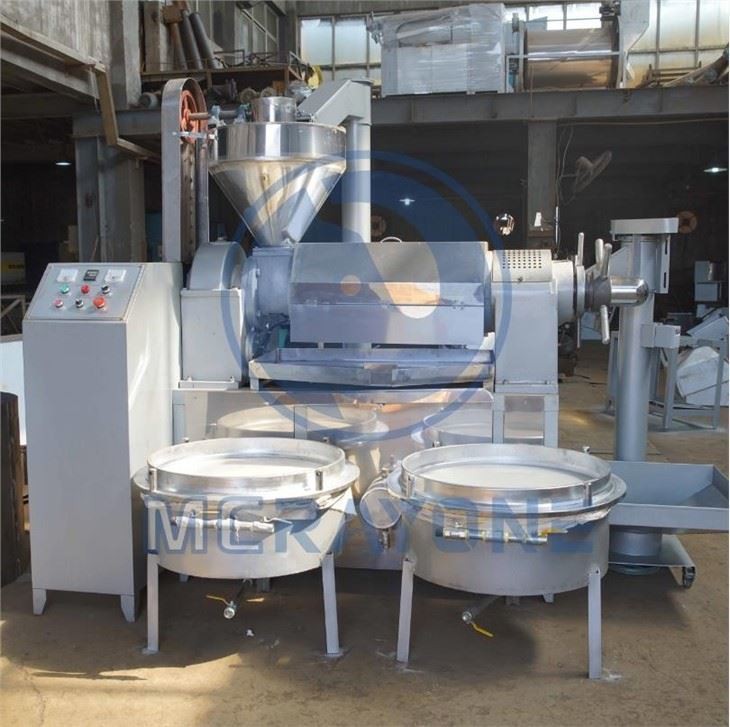
The way you operate the Olive Oil Press Machine during the pressing process is crucial for oil quality. First, make sure the machine is clean before each use. Any leftover oil or debris from previous extractions can contaminate the new batch of oil.
Control the pressure carefully. Applying too much pressure too quickly can cause the extraction of unwanted substances such as waxes, pigments, and bitter compounds from the olive skins and pits. It's better to start with a low pressure and gradually increase it. This allows for a more gentle extraction of the oil and helps to maintain its quality.
The temperature during pressing also matters. High temperatures can accelerate oxidation and degrade the quality of the oil. That's why a Circulating Cold Oil Expeller can be a great choice. It helps to keep the temperature low during the extraction process, preserving the natural flavor, aroma, and nutritional value of the olive oil.
4. Separation of Oil and Water
Once the oil is extracted, it needs to be separated from the water and other solid residues. The most common method is centrifugation. Centrifuges work by spinning the mixture at high speeds, causing the oil, water, and solids to separate based on their different densities.
It's important to separate the oil from the water as soon as possible after extraction. The longer the oil is in contact with water, the higher the risk of hydrolysis and oxidation, which can lead to the formation of free fatty acids and off - flavors.
5. Storage of Olive Oil
Proper storage is essential to maintain the quality of the extracted olive oil. Store the oil in a cool, dark place. Exposure to light and heat can accelerate oxidation, which will make the oil go rancid. A pantry or a cellar is a good choice.
Use airtight containers. Oxygen is another enemy of olive oil. When the oil is exposed to air, it can react with oxygen and form peroxides, which are harmful to health and also affect the taste and smell of the oil. Glass or stainless - steel containers are great options for storing olive oil.
6. Regular Maintenance of the Press Machine
To ensure consistent high - quality oil extraction, regular maintenance of the Olive Oil Press Machine is a must. Clean the machine after each use to prevent the buildup of oil residues and debris. Check the parts regularly for wear and tear. Replace any damaged parts promptly.
Lubricate the moving parts as recommended by the manufacturer. This helps to reduce friction and ensure smooth operation. A well - maintained machine will not only extract oil more efficiently but also produce oil of better quality.
Conclusion
Improving the oil quality extracted by an olive oil press machine involves a combination of factors, from olive selection to storage. By following these tips, you can produce olive oil that has a great flavor, aroma, and nutritional value.
If you're in the market for a high - quality Olive Oil Press Machine, or if you have any questions about olive oil extraction, feel free to reach out. We're here to help you get the best results in your olive oil production. Let's start a conversation and see how we can work together to take your olive oil business to the next level!
References
- "Olive Oil: Chemistry and Technology" by Dimitrios Boskou
- "The Science of Olive Oil" by David Kroll