
Analysis Of The Differences In Operation Procedures Of Oil Presses When Extracting Different Types Of Oilseeds
In the edible oil production sector, oil press machines play a pivotal role. As the core equipment for converting various oil-bearing materials into edible oil, their performance and operational procedures directly impact oil yield and product quality. However, due to significant differences in composition, structure, and physical properties among different oilseeds, the operational workflow of oil presses must be adjusted accordingly when processing these materials.
This article provides an in-depth analysis of the specific variations in operational procedures when oil presses handle different oil-bearing materials, offering valuable insights for practical production applications.
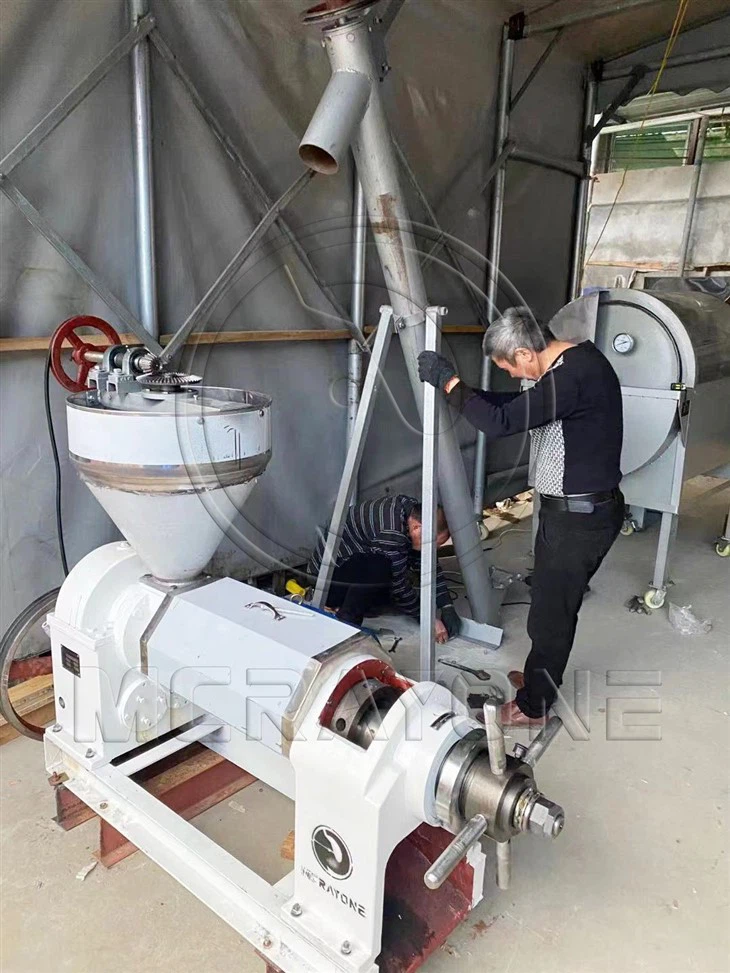
Specific Requirements for the pretreatment steps of oil presses by different oilseeds
Overview of Oilseed Types and Characteristics
Common oilseeds include soybeans, peanuts, rapeseed, sesame, and sunflower seeds. These oilseeds differ significantly in particle size, moisture content, and shell hardness. For example, soybeans have relatively large and uniform particles, with a moisture content typically ranging from 10% to 13%. Peanuts vary in size, and their thin red skins can affect oil color. Rapeseed consists of small particles with high oil content. Sesame seeds are extremely small and rich in oil, while sunflower seeds have hard shells and moderate oil content in their kernels.
Pretreatment Steps and General Requirements
The general pretreatment steps mainly include cleaning, crushing, conditioning, and flaking. Cleaning removes impurities such as stones, soil, and metal fragments, ensuring oil purity. Crushing increases the surface area of the oilseeds, facilitating subsequent conditioning. Conditioning improves the plasticity of the oilseeds, making them easier to flake. Flaking disrupts the cellular structure of the oilseeds, allowing oil to be extracted more efficiently.
The quality of pretreatment directly affects oil extraction efficiency. Proper pretreatment can increase oil yield, improve oil quality, and reduce equipment wear and malfunctions.
Specific Pretreatment Requirements for Different Oilseeds
Soybeans: Soybeans have strict moisture content requirements. Excess moisture causes sticking during flaking, reducing flake quality, while insufficient moisture makes them too hard, increasing difficulty in crushing and flaking. Therefore, moisture must be adjusted by drying or water addition based on actual levels. Additionally, conditioning is required before flaking to disrupt cell structure and improve oil yield.
Peanuts: Peanuts require red skin removal, as the skin contains pigments that affect oil color and clarity. Crushing should be moderate-excessive crushing hinders oil extraction and increases residual oil in the meal.
Rapeseed: Due to its high oil content, rapeseed requires precise flake thickness control during pretreatment. Overly thick flakes impede oil release during pressing, while overly thin flakes break easily, reducing extraction efficiency.
Sesame: Sesame seeds are tiny and oil-rich, requiring thorough cleaning to prevent impurities from affecting oil quality. Typically, a hot-pressing process is used, involving roasting to denature proteins, rupture cell walls, enhance oil yield, and develop sesame oil's distinct aroma.
Sunflower Seeds: Their hard shells require dehulling to improve oil yield and quality. During flaking, flake integrity and uniformity must be maintained to prevent excessive breakage and oil loss.
Adjustment of pressing parameters for oilseeds with high and low oil content in the oil press
The definitions and common types of high-oil content and low-oil content oilseeds
Generally, oilseeds with an oil content of over 30% are defined as high-oil oilseeds, such as sesame and rapeseed. Oilseeds with an oil content of less than 20% are classified as low-oil oilseeds, such as soybeans and cottonseeds.
The influence of pressing parameters on the oil extraction effect
The main pressing parameters include temperature, pressure and time. Temperature affects the viscosity and fluidity of oils. If it is too high, it will destroy the nutrients of the oil and increase the acid value; if it is too low, it will increase the viscosity and hinder the seepage. Pressure determines the oil yield. If it is too high, it will damage the equipment and reduce the quality of the cake meal. If it is too low, the oil cannot be fully extracted. Improper time control can lead to oxidation of the oil or deterioration of the cake meal, while too short a time will affect the extraction efficiency.
Adjustment of Pressing Parameters for High-Oil-Content Oilseeds
• Pressing Temperature: Typically, the hot-pressing process is employed at relatively high temperatures, generally between 120–150°C. Higher temperatures reduce oil viscosity and improve oil yield, but temperature must be strictly controlled to avoid excessive heat, which may degrade oil quality.
• Pressing Pressure: Due to the high oil content in the oilseeds, greater pressure is required to fully extract the oil. However, excessive pressure may overload the equipment, leading to damage, and can also result in overly compact meal, affecting subsequent processing.
• Pressing Time: Relatively short, usually ranging from a few minutes to around ten minutes. Prolonged pressing time may cause excessive oil oxidation, producing off-flavors, while also increasing energy consumption.
Adjustment of Pressing Parameters for Low-Oil-Content Oilseeds
• Pressing Temperature: The temperature can be moderately reduced, typically within the range of 80–110°C. Lower temperatures help decrease energy consumption while preventing thermal degradation of oil quality.
• Pressing Pressure: Relatively lower pressure is applied to avoid excessive compaction of the meal, which could interfere with subsequent processes such as solvent extraction. Reduced pressure also minimizes equipment wear and potential malfunctions.
• Pressing Time: Comparatively longer, usually ranging from several minutes to tens of minutes. Extended pressing time ensures thorough oil extraction, thereby improving oil yield.
Differences in the cleaning and maintenance procedures of oil presses after extracting different oilseeds
Characteristics of Residues in Oil Presses After Processing Different Oilseeds
The composition and properties of different oilseeds influence the residues left inside oil presses. For example, after processing high-oil-content seeds, more residual oil remains, which has high viscosity and tends to solidify, potentially clogging the equipment. In contrast, low-oil-content seeds leave behind more impurities, such as fibers and husks, which can accumulate inside the machine and affect its operation. Additionally, certain oilseeds, like sesame, contain pigments that may stain the equipment.
General Cleaning and Maintenance Procedures
The basic steps for cleaning and maintaining an oil press include shutting down the machine, disconnecting the power supply, and removing external debris. Regular maintenance is also crucial, such as replacing lubricating oil and inspecting components for wear. Replacing lubricating oil periodically ensures smooth operation and reduces friction and wear, while checking for part deterioration helps identify potential issues before they lead to equipment failure.
Cleaning and Maintenance Requirements for Different Oilseeds After Pressing
High-Oil-Content Oilseeds: Due to higher residual oil, which can harden and clog the equipment, cleaning with hot water or specialized detergents is necessary. Hot water softens the oil for easier removal, while detergents effectively dissolve oil residues. After cleaning, the equipment must be dried promptly to prevent rust.
Low-Oil-Content Oilseeds: These leave more solid impurities, requiring cleaning with brushes or high-pressure air guns. Brushes remove surface debris, while air guns blow out fine particles lodged inside the machine, preventing buildup that could affect performance.
Special Oilseeds: For seeds like sesame, which contain pigments that stain equipment, thorough cleaning with specialized methods is essential. For example, soaking in a detergent solution before rinsing with clean water ensures complete removal of residue.
In summary, oil press operations exhibit significant variations when processing different oilseeds, including preprocessing steps, pressing parameter adjustments, and cleaning and maintenance procedures. Properly adapting the operational workflow according to the characteristics of each oilseed is crucial-it enhances pressing efficiency, increases oil yield, improves oil quality, and extends equipment lifespan. In practical production, enterprises and operators should thoroughly understand the properties of different oilseeds and strictly adhere to operational protocols to ensure smooth edible oil production.
Summary of content citation sources
- Academic journal papers such as Transactions of the Chinese Society of Agricultural Engineering have provided scientific basis for the pretreatment technology of oilseeds and the adjustment of pressing parameters.
- The professional book "Oil Extraction and Processing Technology" introduces the theoretical knowledge and operational key points of oil processing.
- The information of the oil press manufacturer includes product manuals, technical manuals and after-sales service manuals, providing operation suggestions and maintenance methods for specific types of oil.
- Actual production enterprise experience: The operational experience and technical reports of actual oil pressing production enterprises reflect the operation processes and problem-solving methods in actual production.
- Industry standards and norms: Refer to the relevant industry standards and norms for the maintenance and repair of oil presses to ensure that the operation procedures meet the requirements.


