
Products


Detailed Steps Of Animal Fat Production
The current growing global population means more food demand, especially a significant increase in demand for animal products such as high-protein, high-nutrition meat, dairy products and seafood. At the same time, with rising living standards and changing dietary preferences, consumers are demanding more quality and variety from animal products.
Features
Ruian Every Machinery Co., Ltd. is one of the most experienced manufacturers and suppliers of detailed steps of animal fat production in China. Please feel free to buy cheap detailed steps of animal fat production from our factory. Contact us for more details.
The current growing global population means more food demand, especially a significant increase in demand for animal products such as high-protein, high-nutrition meat, dairy products and seafood. At the same time, with rising living standards and changing dietary preferences, consumers are demanding more quality and variety from animal products.
Against this backdrop, the market demand for animal fats and oils, an essential ingredient in food processing, has grown. Whether it is edible oils, margarines or bakery products, animal fats and oils are indispensable.
With the global market influence, animal oils for human consumption are generally sourced from goats, pigs, cows, chickens, ducks, and fish. Compared to vegetable oils, animal oils possess a large number of calories and some nutrients that vegetable oils do not have, which promotes the absorption of nutrients in food by the human body.
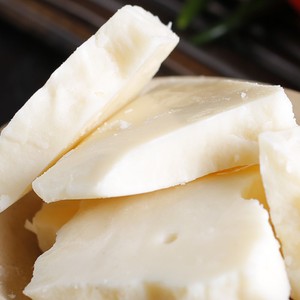


I. Raw material processing stage
1. Raw material refinement and pre-treatment
i. Refinement: The raw materials are meticulously refined to completely remove blood clots, muscle, fragments of bone, fascia, lymph, and other non-fat tissues. This step is crucial because these non-fat tissues can produce a burnt smell during cooking, ultimately affecting the quality and stability of the fat.
ii. Cutting and cleaning: The process of cutting the prepared raw materials into smaller pieces and thoroughly cleaning them to remove surface contaminants and odors.
iii. Drainage and Storage: Draining the materials at a temperature range of 10-15°C to prevent spoilage and increase their hardness, which facilitates subsequent grinding operations.


II. Unpacking and Crushing Section
After unpacking the raw materials on the unpacking platform, they are transported to a dedicated crusher by a scraper conveyor. The crusher reduces the raw materials to uniform particles. This step requires that the particle size be moderate and consistent to ensure even heating during the preheating process, prevent the formation of residues or burnt particles, and ensure effective separation of oil residues, making it easier to release fats during the subsequent cooking process and thus shortening the melting time.


III. Vacuum Rendering Process Flow
1. Vacuum Conveying: The preheated raw materials, in a solid-liquid mixture state from the preheating kettle, are safely and efficiently transported to the rendering kettle via the vacuum conveying system. This process prevents contamination and loss of the raw materials during transportation while ensuring continuity and stability of the production line.
2. Heating and Rendering: Once the raw materials enter the rendering kettle, the heating and rendering process begins. The rendering kettle features a horizontal vacuum design, providing a large heating surface and high heating efficiency. During the heating process, the stirring device is also activated to ensure even heating of the materials and to prevent sticking to the kettle.
3. Vacuum Dehydration: Given the high water content of the raw materials, once the rendering temperature reaches a certain level, the vacuum dehydration process begins. As steam evaporates, the vacuum level within the rendering kettle gradually decreases. To maintain effective dehydration, it is necessary to continuously adjust the vacuum level to ensure that the vacuum state in the rendering kettle is sustained throughout the process.
4. Negative Pressure Reaction: Under vacuum conditions, the animal fat raw materials in the rendering kettle rapidly achieve the separation of oil, water, and residues. The negative pressure environment helps to reduce the oxidation of the fat, thereby enhancing the quality and stability of the oil. Additionally, the negative pressure reaction effectively removes odors and impurities from the raw materials, improving the purity of the fat.
5. Automatic Cleaning System: The rendering kettle is equipped with an automatic cleaning system that performs automatic cleaning of the kettle body after production. This prevents damage to the equipment from burnt or residual materials. The system not only enhances the cleanliness and hygiene standards of the equipment but also reduces the costs and labor intensity associated with manual cleaning.


IV. Residue Separation, Pressing, and Filtration Section
The Residue Separation, Pressing, and Filtration Section plays a critical role in the animal fat rendering process, ensuring the purity of the fat and the quality of the final product.
1. Residue Separation: The mixture of oil residues after rendering first enters the residue separation scraper for initial separation. In this step, residues larger than 0.5 mm are effectively separated from the fat and conveyed to subsequent processing stages by the scraper. Residues smaller than 0.5 mm, along with crude oil, remain in the system for further processing.
2. Pressing: The coarsely separated residues are then transferred to an oil press for pressing. The oil press uses mechanical force to extract residual oil from the residues, forming oil cakes. These oil cakes are nutrient-rich and can be sold as feed ingredients, thus achieving effective resource utilization.
3. Filtration: The fine residue and crude oil mixture is pumped into a disc filter for fine filtration. The disc filter uses stainless steel mesh, which is corrosion-resistant, easy to clean, and highly efficient. Through this filtration process, small impurities and residual residues in the fat are further removed, significantly improving the clarity and transparency of the oil. The filtered oil reaches a clear and transparent state, meeting the quality requirements for further processing or sale.
4. Separation and Conveying: During filtration, the separated residues are reintroduced to the pressing process to ensure that any remaining oil in the residues is fully extracted. Meanwhile, the refined crude oil is conveyed to the finished oil tank for storage or further processing.


V. Vacuum Dehydration and Deodorization Section
This section utilizes a water-jet vacuum pump and associated equipment to effectively separate and remove moisture and odor molecules from the raw fat, significantly enhancing the quality and purity of the fat.
1. Creation of Vacuum Conditions: A water-jet vacuum pump creates a negative pressure (vacuum) environment within the rendering kettle. This environment lowers the boiling points of moisture and odor molecules in the fat, making them more easily evaporated from the fat.
2. Separation and Conveying of Volatiles: Under vacuum conditions, water molecules and odor micro-molecules in the raw fat rapidly evaporate and flow through the vacuum pipelines. These volatiles are then conveyed to subsequent processing equipment.
3. Condensation Treatment: Once the volatiles enter the stainless steel tubular condenser, they are forced to condense into a liquid state due to the action of circulating cold water. The condenser plays a crucial role in this process, utilizing the low temperature of the cold water and the high heat exchange efficiency of the tubes to achieve rapid condensation of the volatiles.
4. Wastewater and Waste Gas Handling: The condensed wastewater (mainly distilled water) is collected in a separation tank, while any gas that has not been fully condensed continues through pipes to the plant's wastewater treatment facility for further processing. This approach reduces environmental pollution from wastewater and ensures compliant emissions of waste gases.
Advantages and Effects
- Enhanced Fat Quality: By removing moisture and odor molecules from the fat, the clarity, transparency, and purity of the fat are significantly improved.
- Environmental and Energy Efficiency: The use of vacuum and condensation technology enables effective recovery and treatment of volatiles, reducing waste gas emissions and environmental pollution. Additionally, the cold water used in the condensation process can be recycled, lowering energy consumption.
- Increased Production Efficiency: With high automation, the need for manual intervention and operation time is reduced, leading to improved production efficiency and stability.

Hot Tags: detailed steps of animal fat production, China, Manufacturers, Suppliers, Factory, Buy, Cheap
No Information
No Information
You Might Also Like


Send Inquiry
