

Are press oil machines environmentally friendly?
Are press oil machines environmentally friendly? This is a question that has been on the minds of many consumers and industry players alike. As a supplier of press oil machines, I am often asked about the environmental impact of our products. In this blog post, I will explore the environmental aspects of press oil machines, looking at both the positive and negative factors, and provide a balanced view on their eco - friendliness.
Positive Environmental Aspects of Press Oil Machines
1. Reduction of Chemical Usage
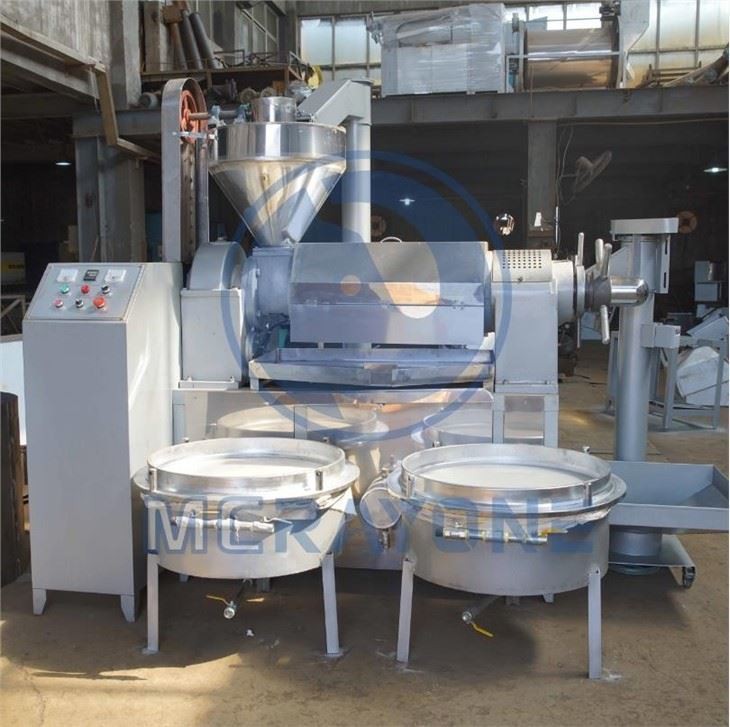
Traditional oil extraction methods often rely on the use of chemical solvents such as hexane to extract oil from seeds or nuts. Hexane is a volatile organic compound (VOC) that can have negative impacts on air quality and human health. It is also a non - renewable resource. Press oil machines, on the other hand, use a mechanical pressing process. This process does not require the use of chemical solvents, which significantly reduces the release of harmful chemicals into the environment. For example, when using a Circulating Cold Oil Expeller, the oil is extracted by applying physical pressure, eliminating the need for chemical additives.
2. Energy Efficiency
Modern press oil machines are designed with energy efficiency in mind. Many of these machines are equipped with advanced motors and control systems that optimize energy consumption. For instance, some oil making machines use variable frequency drives (VFDs) to adjust the motor speed according to the processing requirements. This means that the machine consumes only the amount of energy needed for the task at hand, reducing overall energy waste. A Oil Making Machine with such features can operate more efficiently compared to older models, resulting in lower energy consumption and a smaller carbon footprint.
3. Waste Utilization
The by - products of the oil pressing process can be effectively utilized, reducing waste. After the oil is extracted from seeds or nuts, the remaining cake can be used as animal feed, fertilizer, or even as a raw material for biofuel production. For example, the cake from a mustard oil press machine is rich in protein and can be a valuable addition to animal diets. This not only reduces the amount of waste sent to landfills but also provides an additional economic benefit.
Negative Environmental Aspects of Press Oil Machines
1. Energy Consumption
Although press oil machines have become more energy - efficient, they still consume a certain amount of electricity or other forms of energy. The energy used in the operation of these machines often comes from non - renewable sources such as coal - fired power plants. This means that there is still a contribution to greenhouse gas emissions. Additionally, the manufacturing process of press oil machines also requires energy and resources, which can have an environmental impact.
2. Water Usage
Some press oil machines require water for cooling or cleaning purposes. The water used in these processes may become contaminated with oil, seeds, or other impurities. If not properly treated, this wastewater can be discharged into the environment, causing water pollution. Moreover, the extraction of water from natural sources for industrial use can also put pressure on local water supplies.

3. Noise Pollution
Press oil machines can generate significant noise during operation. This noise can be a nuisance to workers in the factory and nearby residents. Prolonged exposure to high - level noise can also cause hearing damage and other health problems. To mitigate this issue, additional noise - reduction measures such as sound - proof enclosures need to be installed, which can increase the cost and complexity of the operation.
Strategies to Improve the Environmental Friendliness of Press Oil Machines
1. Renewable Energy Integration
To reduce the reliance on non - renewable energy sources, press oil machine suppliers can encourage the use of renewable energy. For example, solar panels can be installed on the rooftops of factories where these machines are used. This can help to power the machines during the day, reducing the overall electricity consumption from the grid. Additionally, wind turbines can be used in areas with suitable wind resources.
2. Water Management
Implementing effective water management strategies is crucial to reduce water pollution and conserve water. This can include the installation of water treatment systems to clean the wastewater generated during the oil pressing process. The treated water can then be reused for cooling or other non - critical applications. Water - saving devices such as low - flow nozzles can also be installed to reduce the overall water consumption.
3. Noise Reduction
To address the issue of noise pollution, manufacturers can invest in research and development to design quieter press oil machines. This can involve using advanced materials and engineering techniques to reduce the noise generated by the moving parts of the machine. Additionally, proper maintenance of the machines can also help to keep the noise levels in check.
Conclusion
In conclusion, press oil machines have both positive and negative environmental impacts. On the one hand, they offer significant advantages in terms of reducing chemical usage, energy efficiency, and waste utilization. On the other hand, they still face challenges in terms of energy consumption, water usage, and noise pollution. However, with the implementation of appropriate strategies, such as renewable energy integration, water management, and noise reduction, the environmental friendliness of press oil machines can be significantly improved.
As a supplier of press oil machines, we are committed to continuously improving the environmental performance of our products. We strive to develop more energy - efficient, water - saving, and quiet machines that meet the highest environmental standards.
If you are interested in our press oil machines and want to discuss how they can meet your needs while being environmentally friendly, please feel free to contact us for a procurement discussion. We look forward to working with you to find the best solutions for your oil extraction requirements.
References
- "Energy - efficient technologies in the food processing industry", Journal of Food Engineering
- "Environmental impact assessment of oil extraction methods", Environmental Science and Technology
- "Waste utilization in the oil processing industry", Journal of Sustainable Agriculture