

Can I use a regular oil filter with synthetic oil?
Can I use a regular oil filter with synthetic oil? This is a question that many vehicle owners and enthusiasts often ask. As an oil filter supplier, I've encountered this query numerous times. In this blog, I'll delve into the details to provide a comprehensive answer.
Understanding Regular Oil Filters and Synthetic Oil
Let's start by understanding what regular oil filters and synthetic oil are. Regular oil filters, also known as conventional oil filters, are designed to work with traditional petroleum - based motor oils. These filters are engineered to trap contaminants such as dirt, metal particles, and sludge that accumulate in the oil during the engine's operation. They are typically made with a cellulose or a blend of cellulose and synthetic fibers as the filtering media, which has a certain pore size to capture particles of a specific size range.
On the other hand, synthetic oil is a man - made lubricant. It is chemically engineered to have superior performance characteristics compared to conventional oil. Synthetic oil has better viscosity stability over a wide range of temperatures, offers enhanced protection against wear, and has a longer service life. It can flow more easily at low temperatures, ensuring quick lubrication to engine components when the engine starts, and maintains its integrity at high temperatures under heavy - load conditions.
Compatibility of Regular Oil Filters with Synthetic Oil
The short answer is yes, you can use a regular oil filter with synthetic oil. Most regular oil filters are designed to meet the basic filtration requirements of engines, regardless of whether they are using conventional or synthetic oil. The main function of an oil filter is to remove contaminants from the oil, and both conventional and synthetic oils can carry similar types of impurities.
However, there are some factors to consider. Synthetic oil is a high - performance lubricant, and it can potentially expose a regular oil filter to different operating conditions. For example, synthetic oil's better flow properties at low temperatures mean that it can pass through the filter more quickly. A regular oil filter may not be optimized to handle this rapid flow rate efficiently, which could potentially lead to reduced filtration efficiency over time.
Another aspect is the long - service life of synthetic oil. Synthetic oil can typically go for longer intervals between oil changes compared to conventional oil. A regular oil filter may not be designed to last as long as the synthetic oil's recommended service interval. As the filter accumulates more contaminants over an extended period, its ability to filter effectively may decline, and it could even become clogged, restricting oil flow to the engine.
Advantages of Using a Regular Oil Filter with Synthetic Oil
One of the main advantages is cost - effectiveness. Regular oil filters are generally less expensive than their high - performance counterparts designed specifically for synthetic oil. If you are on a tight budget or if you only drive your vehicle occasionally, using a regular oil filter with synthetic oil can be a practical choice. It still provides basic filtration protection for your engine, and you can change the filter more frequently at a lower cost to ensure optimal performance.
Disadvantages of Using a Regular Oil Filter with Synthetic Oil
As mentioned earlier, the filtration efficiency may be compromised. A regular oil filter may not be able to capture all the fine particles in synthetic oil as effectively as a filter designed for synthetic oil. This can lead to increased wear and tear on engine components over time, potentially reducing the engine's lifespan.
In addition, the risk of clogging is higher when using a regular oil filter for an extended period with synthetic oil. A clogged filter can cause a drop in oil pressure, which can lead to insufficient lubrication of engine parts. This can result in increased friction, heat, and ultimately, engine damage.
High - Performance Oil Filters for Synthetic Oil
If you are using synthetic oil, it is recommended to consider using a high - performance oil filter. These filters are specifically designed to work with synthetic oil. They often have a more advanced filtering media, such as synthetic fibers or a combination of multiple layers of different materials. This allows them to capture smaller particles more effectively and maintain high filtration efficiency even under the high - flow conditions associated with synthetic oil.
High - performance oil filters also usually have a higher dirt - holding capacity. This means they can trap more contaminants before reaching their maximum capacity, which is important when using synthetic oil with its longer service intervals. Some high - performance filters are also designed to have a more robust construction to withstand the higher pressures and flow rates that synthetic oil can generate.
Impact on Engine Performance
Using a regular oil filter with synthetic oil can have an impact on engine performance. As the filter's efficiency decreases over time, the engine may experience reduced power output. This is because the presence of contaminants in the oil can cause increased friction between moving parts, making the engine work harder to achieve the same level of performance.
In addition, poor filtration can lead to the formation of sludge and deposits in the engine. These deposits can clog oil passages, restrict oil flow, and affect the operation of critical engine components such as valves and pistons. Over time, this can lead to engine misfires, rough idling, and decreased fuel efficiency.

Maintenance Considerations
If you decide to use a regular oil filter with synthetic oil, you need to pay closer attention to your vehicle's maintenance schedule. It is advisable to change the oil filter more frequently than the recommended interval for the synthetic oil. This helps to ensure that the filter is always in good working condition and can provide adequate filtration protection for your engine.
You should also monitor your vehicle's oil pressure gauge regularly. A sudden drop in oil pressure could indicate a clogged filter. If you notice any signs of poor engine performance, such as increased noise, rough running, or reduced power, it is important to have your oil filter and oil system checked immediately.
Conclusion
In conclusion, while it is possible to use a regular oil filter with synthetic oil, it may not be the optimal choice for long - term engine health and performance. If you want to get the most out of your synthetic oil and protect your engine to the fullest, investing in a high - performance oil filter designed for synthetic oil is a wise decision.
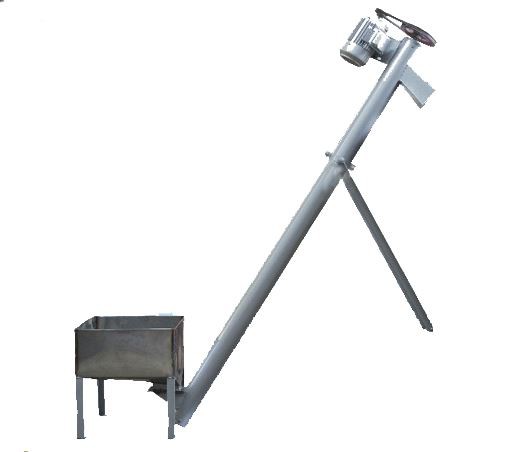
As an oil filter supplier, we offer a wide range of oil filters, including both regular oil filters and high - performance filters for synthetic oil. Our filters are designed to meet the highest quality standards and provide reliable filtration for your engine. If you have any questions about which filter is right for your vehicle or if you are interested in Screw Conveyor, Sunflower Seed Oil Extraction Machine, or cottonseed oil extraction machine, please feel free to contact us for more information and to discuss your purchasing needs.
References
- "Automotive Lubricants and Fluids" - A technical guide on automotive lubrication and filtration systems.
- "Engine Oil Filtration: Principles and Practices" - A comprehensive resource on oil filtration technology.
- Manufacturer's specifications and guidelines for synthetic oil and oil filters.