
How do oil refineries comply with international standards?
How do oil refineries comply with international standards?
In today's globalized world, oil refineries play a pivotal role in the energy and chemical industries. As an oil refinery supplier, I have witnessed firsthand the challenges and opportunities that refineries face in complying with international standards. This blog post aims to explore the various aspects of how oil refineries can effectively meet these standards, which are crucial for environmental protection, product quality, and social responsibility.
Regulatory Framework and International Standards
Oil refineries are subject to a complex web of international, regional, and national regulations. The most well - known international standards are often set by organizations such as the International Organization for Standardization (ISO). For example, ISO 14001 focuses on environmental management, requiring refineries to establish and maintain an environmental management system to minimize their impact on the environment. ISO 9001, on the other hand, pertains to quality management, ensuring that refineries produce products that meet customer requirements and regulatory specifications.
In addition to ISO standards, there are also industry - specific regulations. The International Maritime Organization (IMO) has regulations regarding the sulfur content of marine fuels. Refineries need to adjust their production processes to produce low - sulfur fuels to comply with these regulations. The European Union has its own set of strict environmental and safety regulations, such as the Industrial Emissions Directive (IED), which sets limits on emissions of pollutants like sulfur dioxide, nitrogen oxides, and particulate matter from industrial installations, including oil refineries.
Environmental Compliance
One of the most significant challenges for oil refineries in complying with international standards is environmental protection. Refineries are major sources of air, water, and soil pollution if not properly managed.
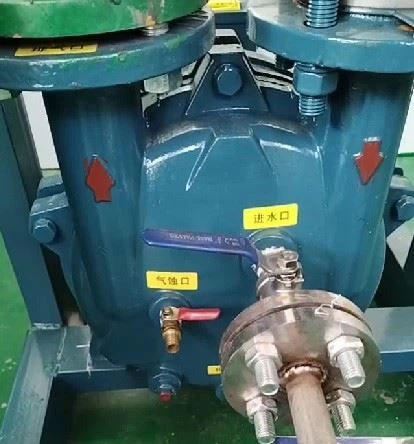
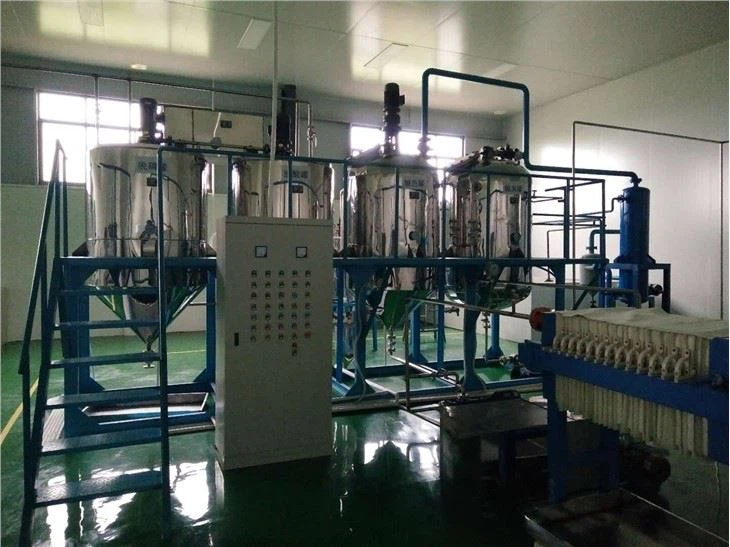
Air Emissions: To control air emissions, refineries invest in advanced pollution control technologies. Flue gas desulfurization (FGD) systems are commonly used to remove sulfur dioxide from the flue gases produced during the combustion of fuels in refinery furnaces. Selective catalytic reduction (SCR) systems are employed to reduce nitrogen oxide emissions. Additionally, refineries are required to monitor their air emissions continuously and report the data to the relevant regulatory authorities.
Water Management: Oil refineries generate large amounts of wastewater, which contains various pollutants such as oil, heavy metals, and chemicals. To meet international standards for water quality, refineries use a combination of physical, chemical, and biological treatment processes. For example, oil - water separators are used to remove free oil from the wastewater, followed by biological treatment processes to break down organic pollutants. The treated wastewater must meet the discharge limits set by the local and international regulations before it can be released into the environment.
Waste Disposal: Refineries also produce solid and hazardous wastes, such as spent catalysts and sludge. These wastes need to be managed properly to prevent environmental contamination. Refineries often work with specialized waste management companies to ensure that their wastes are treated, recycled, or disposed of in an environmentally friendly manner. Some refineries are also exploring the possibility of recycling and reusing their wastes to reduce their environmental footprint.
Product Quality Standards
Another important aspect of compliance for oil refineries is ensuring that their products meet international quality standards. This is crucial for maintaining customer satisfaction and access to global markets.
Fuel Quality: For gasoline and diesel fuels, international standards specify the maximum allowable levels of impurities such as sulfur, lead, and aromatic compounds. Refineries need to use advanced refining processes to produce fuels that meet these standards. For example, hydrodesulfurization (HDS) is a common process used to remove sulfur from fuels. The quality of fuels also affects their performance in engines, so meeting these standards is essential for the proper functioning of vehicles and machinery.
Lubricant Quality: Lubricants produced by refineries must also meet strict quality standards. ISO has a series of standards for lubricants, which cover aspects such as viscosity, oxidation stability, and anti - wear properties. Refineries use a combination of base oil production and additive blending to produce lubricants that meet these standards.
Safety and Health Standards
Safety and health are of utmost importance in oil refineries. International standards, such as those developed by the American Petroleum Institute (API), provide guidelines for refinery safety management.
Process Safety: Refineries need to implement comprehensive process safety management systems to prevent accidents such as fires, explosions, and chemical spills. This includes conducting process hazard analyses, implementing safety - critical equipment maintenance programs, and providing regular safety training to employees. For example, pressure relief devices are installed in refinery equipment to prevent over - pressurization, which could lead to explosions.
Occupational Health: Refineries also need to protect the health of their employees. Exposure to chemicals such as benzene, which is present in crude oil and some refined products, can pose serious health risks. Refineries are required to monitor the air quality in the workplace, provide personal protective equipment (PPE) to employees, and conduct regular health check - ups for their workers.
Role of Supplier in Facilitating Compliance
As an oil refinery supplier, we play a crucial role in helping refineries comply with international standards.
We offer a wide range of Crude Oil Refinery Equipment that is designed to meet the latest environmental and safety standards. For example, our advanced distillation columns are more energy - efficient and have lower emissions compared to traditional designs. Our equipment is also equipped with state - of the - art monitoring and control systems, which allow refineries to ensure that their operations are in compliance with the regulatory requirements.
In addition to equipment, we also provide technical support and consulting services to refineries. Our team of experts has in - depth knowledge of international standards and regulations, and we can help refineries develop and implement compliance strategies. Whether it is redesigning a production process to reduce emissions or improving the quality control system for products, we can offer customized solutions to meet the specific needs of each refinery.
We also offer Crude Oil Simple Refining and Palm Kernel Oil Refining services that are in line with international food safety and quality standards. This is especially important for refineries that produce edible oils, as they need to ensure that their products are safe for human consumption.
Conclusion
Complying with international standards is a complex but necessary task for oil refineries. It requires a holistic approach that encompasses environmental protection, product quality, and safety and health management. As an oil refinery supplier, we are committed to supporting our customers in this journey. By providing high - quality equipment, technical expertise, and consulting services, we can help refineries meet the challenges of compliance and operate in a sustainable and responsible manner.
If you are an oil refinery looking for a reliable supplier to help you comply with international standards, we invite you to contact us for a detailed discussion about your specific requirements. Our team of experts is ready to work with you to develop customized solutions that meet your needs and help you achieve your compliance goals.
References
- International Organization for Standardization (ISO). ISO 9001:2015 Quality management systems — Requirements.
- International Organization for Standardization (ISO). ISO 14001:2015 Environmental management systems — Requirements with guidance for use.
- International Maritime Organization (IMO). MARPOL Annex VI — Regulations for the Prevention of Air Pollution from Ships.
- European Union. Industrial Emissions Directive (2010/75/EU).
- American Petroleum Institute (API). API standards for refinery safety and equipment design.