
How to maintain an oil extraction machine?
As a seasoned supplier of oil extraction machines, I understand the importance of proper maintenance to ensure the longevity and efficiency of these valuable assets. In this blog post, I'll share some essential tips on how to maintain an oil extraction machine, drawing from my years of experience in the industry.
Regular Cleaning
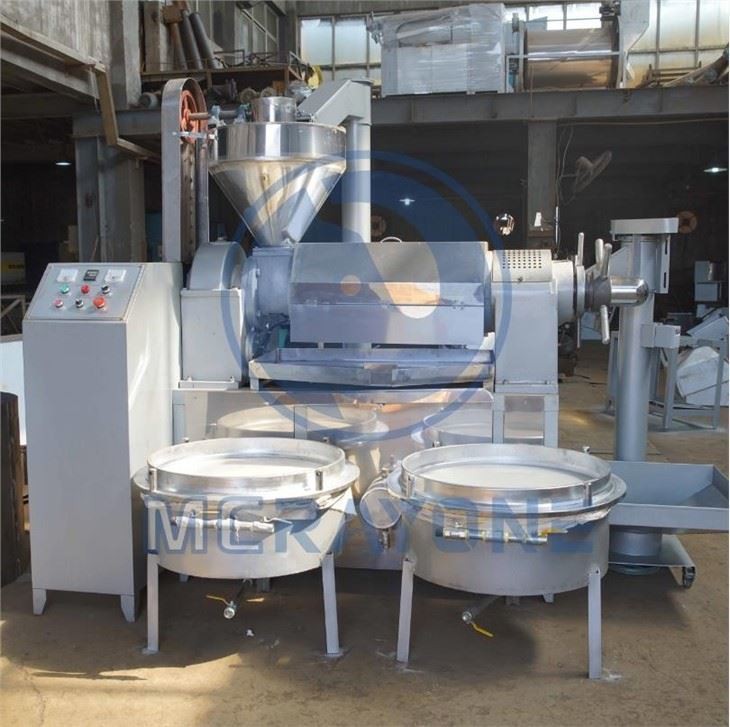
One of the most fundamental aspects of maintaining an oil extraction machine is regular cleaning. Over time, oil residues, debris, and other contaminants can accumulate inside the machine, which can affect its performance and lead to premature wear and tear. To prevent this, it's crucial to clean the machine after each use.
Start by disconnecting the machine from the power source to ensure your safety. Then, use a soft brush or cloth to remove any visible debris from the exterior of the machine. Next, focus on the internal components. Many oil extraction machines have removable parts, such as the oil filter, pressing chamber, and screw shaft. Remove these parts and clean them thoroughly with a mild detergent and warm water. Rinse them well and allow them to dry completely before reassembling the machine.
For hard - to - reach areas, you can use a compressed air canister to blow out any remaining dust or debris. Make sure to clean the ventilation holes as well, as blocked vents can cause the machine to overheat.
Lubrication
Proper lubrication is essential for the smooth operation of an oil extraction machine. The moving parts of the machine, such as the gears, bearings, and shafts, need to be lubricated regularly to reduce friction and prevent wear.
Refer to the machine's user manual to determine the type of lubricant recommended for your specific model. Different machines may require different types of lubricants, such as grease or oil. Use a high - quality lubricant and apply it according to the manufacturer's instructions.
Typically, you'll need to lubricate the machine at regular intervals, which could be after a certain number of operating hours or at specific time intervals, like monthly or quarterly. When lubricating, be careful not to over - lubricate, as excess lubricant can attract dirt and debris, which can cause more problems.
Inspection of Wear Parts
Regularly inspecting the wear parts of the oil extraction machine is crucial for early detection of any potential issues. Wear parts, such as the pressing screw, barrel, and oil filter, are subject to constant friction and stress during operation and will eventually need to be replaced.
Check the pressing screw for signs of wear, such as excessive thinning or damage to the threads. A worn - out pressing screw can reduce the oil extraction efficiency and may even cause the machine to malfunction. The barrel should also be inspected for scratches or dents, as these can affect the quality of the oil extraction.
The oil filter is another important wear part. A clogged or damaged oil filter can restrict the flow of oil and reduce the machine's performance. Replace the oil filter at regular intervals, as recommended by the manufacturer.
Electrical System Maintenance
If your oil extraction machine is electrically powered, proper maintenance of the electrical system is vital. Start by checking the power cord for any signs of damage, such as fraying or exposed wires. A damaged power cord can pose a serious safety hazard, so it should be replaced immediately.
Inspect the electrical connections inside the machine to ensure they are tight and free of corrosion. Loose connections can cause electrical problems, such as overheating or intermittent operation. You can use a multimeter to test the electrical components, such as the motor and switches, to ensure they are functioning properly.
Keep the electrical control panel clean and free of dust and moisture. Moisture can cause short - circuits and damage the electrical components. If you notice any abnormal electrical behavior, such as strange noises or flickering lights, stop using the machine immediately and have it inspected by a qualified technician.
Calibration
Over time, the settings of an oil extraction machine may drift, which can affect the quality and quantity of the oil extracted. Regular calibration is necessary to ensure that the machine is operating at its optimal performance.
Calibration involves adjusting the machine's settings, such as the pressure, temperature, and speed, to match the specifications recommended by the manufacturer. You can use specialized calibration tools and follow the calibration procedures outlined in the user manual.
If you're unsure about how to calibrate the machine, it's advisable to contact the manufacturer's technical support team or hire a professional technician to perform the calibration.

Storage
If you need to store the oil extraction machine for an extended period, proper storage is essential to prevent damage. First, clean the machine thoroughly as described above. Then, lubricate all the moving parts to prevent rust and corrosion.
Store the machine in a dry, clean, and well - ventilated area. If possible, cover the machine with a protective cover to prevent dust and debris from accumulating on it. Make sure to disconnect the power cord and any other external connections.
Specific Considerations for Different Types of Oil Extraction Machines
Different types of oil extraction machines, such as the cottonseed oil press, peanut oil extraction machine, and Circulating Cold Oil Expeller, may have specific maintenance requirements.
For example, the cottonseed oil press may require more frequent cleaning due to the nature of cottonseed, which can leave behind more residues. The peanut oil extraction machine may need special attention to the oil filter, as peanuts can produce a relatively high amount of fine particles. The Circulating Cold Oil Expeller, on the other hand, may require careful monitoring of the cooling system to ensure proper temperature control.
Importance of Professional Maintenance
While regular maintenance can be performed by the machine operator, it's also important to have the machine serviced by a professional technician on a regular basis. A professional technician has the expertise and tools to perform in - depth inspections and repairs that may not be possible for the average operator.
Professional maintenance can help identify potential problems before they become major issues, which can save you time and money in the long run. It can also ensure that the machine is maintained in accordance with the manufacturer's standards, which can help preserve the machine's warranty.
Conclusion
Maintaining an oil extraction machine is a crucial task that requires regular attention and care. By following the tips outlined in this blog post, you can ensure that your oil extraction machine operates efficiently and has a long service life.
If you're in the market for a new oil extraction machine or need further advice on maintenance, don't hesitate to contact us. We're a leading supplier of oil extraction machines, and our team of experts is ready to assist you with all your oil extraction needs. Whether you're interested in a cottonseed oil press, peanut oil extraction machine, or Circulating Cold Oil Expeller, we have the right solution for you. Contact us today to start a discussion about your requirements and let us help you make the best choice for your business.
References
- Manufacturer's user manuals for oil extraction machines
- Industry best practices for equipment maintenance