
How to measure the pressure of an olive oil press machine accurately?
Accurately measuring the pressure of an olive oil press machine is crucial for ensuring high - quality oil extraction and the efficient operation of the equipment. As a leading supplier of Olive Oil Press Machine, we understand the significance of this process and are here to share some in - depth knowledge on how to achieve accurate pressure measurement.
Understanding the Importance of Pressure in Olive Oil Pressing
Pressure plays a fundamental role in the olive oil extraction process. When olives are pressed, the appropriate amount of pressure helps to break the cell walls of the olive pulp, releasing the oil. Insufficient pressure may result in low oil yield, leaving a significant amount of oil trapped within the olives. On the other hand, excessive pressure can lead to the extraction of unwanted substances such as bitter compounds and polyphenols, which can degrade the quality of the final oil product.
Types of Pressure Measurement in Olive Oil Press Machines
There are mainly two types of pressure measurement methods used in olive oil press machines: direct and indirect.
Direct Pressure Measurement
Direct pressure measurement involves using sensors that are in direct contact with the pressing medium. One of the most common sensors for this purpose is the strain - gauge pressure sensor. These sensors work based on the principle that when a force is applied to a strain gauge, its electrical resistance changes. By measuring this change in resistance, the pressure can be accurately determined.
Another type of direct - measurement sensor is the piezoelectric pressure sensor. Piezoelectric sensors generate an electric charge when subjected to pressure. This charge is then converted into a pressure reading. These sensors are known for their high accuracy and fast response times, making them suitable for dynamic pressure measurement in high - speed pressing operations.
Indirect Pressure Measurement
Indirect pressure measurement methods rely on measuring other parameters that are related to pressure. For example, the hydraulic pressure in a hydraulic press can be measured using a pressure gauge installed in the hydraulic circuit. The relationship between the hydraulic pressure and the actual pressing pressure is determined through calibration.
In screw - type olive oil press machines, the torque applied to the screw can be measured. Since the torque is related to the pressure exerted on the olives, by knowing the mechanical characteristics of the screw and the press, the pressure can be estimated.
Factors Affecting Pressure Measurement Accuracy
Several factors can affect the accuracy of pressure measurement in olive oil press machines.
Temperature
Temperature can have a significant impact on the performance of pressure sensors. Most sensors have a certain temperature coefficient, which means that their output can change with temperature. To ensure accurate pressure measurement, it is necessary to use sensors with temperature compensation capabilities or to measure and correct for temperature effects.
Vibration
Olive oil press machines often generate vibrations during operation. These vibrations can cause false readings in pressure sensors. To mitigate this issue, sensors should be properly mounted and isolated from the source of vibration. Additionally, some advanced sensors are designed to be vibration - resistant.
Contamination
The pressing environment in an olive oil press machine can be dirty, with olive pulp and oil residues. These contaminants can accumulate on the sensors, affecting their performance. Regular cleaning and maintenance of the sensors are essential to ensure accurate pressure measurement.
Calibration of Pressure Measurement Systems
Calibration is a critical step in ensuring the accuracy of pressure measurement. A calibrated pressure measurement system provides reliable and consistent readings.
Calibration Process
The calibration process typically involves comparing the readings of the pressure sensor in the olive oil press machine with a known reference pressure. This reference pressure can be provided by a calibrated pressure standard. The sensor is then adjusted so that its readings match the reference pressure within an acceptable tolerance range.
Frequency of Calibration
The frequency of calibration depends on several factors, such as the type of sensor, the operating conditions, and the required accuracy. In general, it is recommended to calibrate pressure sensors at least once a year. However, in high - precision applications or in harsh operating environments, more frequent calibration may be necessary.
Best Practices for Accurate Pressure Measurement
To achieve accurate pressure measurement in olive oil press machines, the following best practices should be followed:
Select the Right Sensor
Choose a pressure sensor that is suitable for the specific requirements of the olive oil press machine. Consider factors such as the range of pressure to be measured, the accuracy required, the operating temperature, and the presence of contaminants.
Proper Installation
Install the pressure sensor correctly according to the manufacturer's instructions. Ensure that the sensor is properly aligned and securely mounted. Incorrect installation can lead to inaccurate readings and premature sensor failure.
Regular Maintenance
Perform regular maintenance on the pressure measurement system. This includes cleaning the sensors, checking for any signs of damage or wear, and replacing any faulty components.
Training of Operators
Operators should be trained on how to use and interpret the pressure measurement system correctly. They should understand the importance of accurate pressure measurement and be able to identify and troubleshoot any issues that may arise.
Real - World Applications and Case Studies
In the real - world production of olive oil, accurate pressure measurement has a direct impact on the quality and quantity of the oil produced. For example, a small - scale olive oil producer in Italy was experiencing low oil yields and inconsistent quality. After installing a high - precision pressure sensor and calibrating the system, they were able to optimize the pressing pressure. As a result, their oil yield increased by 15%, and the quality of the oil improved significantly, as indicated by lower levels of bitterness and higher levels of desirable polyphenols.

Another case involves a large - scale olive oil processing plant. By using advanced indirect pressure measurement methods and real - time monitoring, they were able to adjust the pressing pressure dynamically based on the characteristics of different olive batches. This led to a more efficient production process and a reduction in production costs.
Related Products and Their Pressure Measurement Requirements
As an olive oil press machine supplier, we also offer other types of oil press machines, such as Oil Press Machine Making For The Palm Oil and sunflower oil press machine. Each of these machines has its own unique pressure measurement requirements.
Palm oil press machines typically require higher pressures due to the tougher nature of palm fruits. The pressure sensors used in these machines need to be able to withstand high - pressure conditions and provide accurate readings over a wide range.
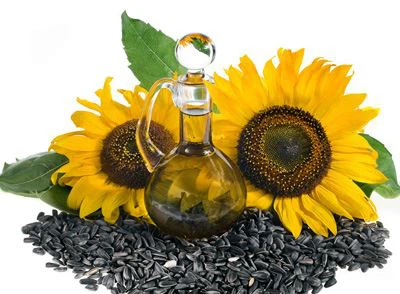
Sunflower oil press machines, on the other hand, operate at relatively lower pressures. However, the accuracy of pressure measurement is still crucial for ensuring optimal oil extraction and maintaining the quality of the sunflower oil.
Conclusion
Accurately measuring the pressure of an olive oil press machine is a complex but essential task. By understanding the different types of pressure measurement methods, the factors affecting accuracy, and following best practices for calibration and maintenance, producers can ensure high - quality oil extraction and efficient operation of their equipment.
If you are in the market for an olive oil press machine or need more information on pressure measurement in oil press machines, we invite you to contact us. Our team of experts is ready to assist you in choosing the right equipment and ensuring that you get the most out of your investment.
References
- "Handbook of Pressure Measurement" by John W. Rose
- "Oil Extraction Technology" by Peter P. Paliwal
- "Principles of Sensors and Actuators" by S. S. R. Kumar