
How to optimize the oil extraction process of an oil extraction machine?
Hey there! I'm a supplier of oil extraction machines, and I've been in this business for quite a while. Over the years, I've learned a thing or two about how to optimize the oil extraction process of these machines. In this blog post, I'll share some tips and tricks that can help you get the most out of your oil extraction machine.
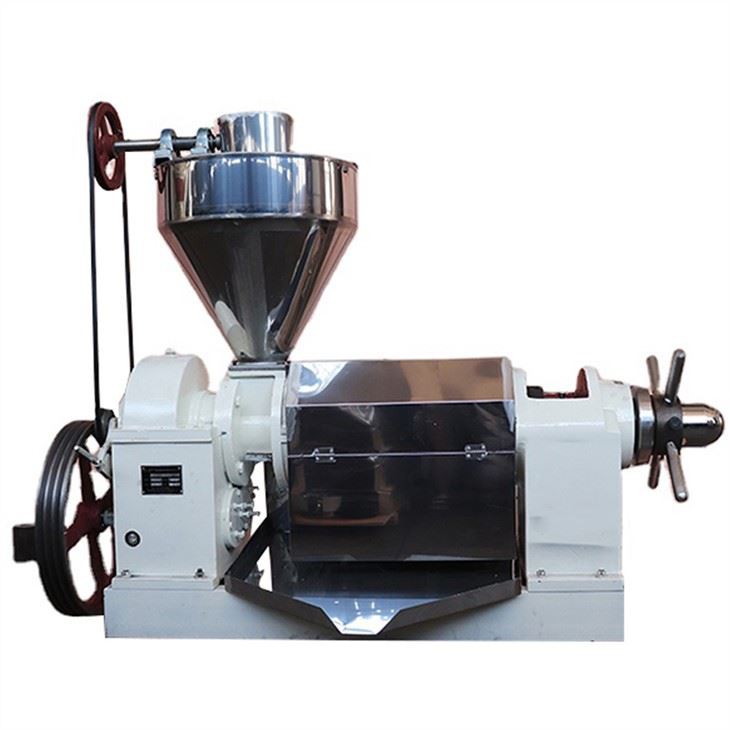
First off, let's talk about the types of oil extraction machines we offer. We've got some great options, like the cottonseed oil press, which is super versatile and can handle different kinds of seeds. Then there's the Screw Oil Press Machine, a workhorse that's known for its efficiency. And if you're looking for something more compact, our Single Screw Oil Press might be the perfect fit.

Pre - processing the Raw Materials
One of the most important steps in optimizing the oil extraction process is pre - processing the raw materials. You see, not all seeds or nuts are created equal. Some might be too dry, while others could be too moist. Before you start the extraction, you need to make sure the raw materials are in the right condition.
For example, if the seeds are too dry, they won't release the oil easily. On the other hand, if they're too wet, it can lead to clogging in the machine and lower the overall oil yield. So, you need to adjust the moisture content. You can do this by either drying the seeds in the sun or using a dryer if you're dealing with a large quantity.
Another thing to consider is the size of the raw materials. If the seeds or nuts are too big, they might not be crushed properly in the machine. You can use a grinder or a crusher to break them down into smaller pieces. This will increase the surface area, allowing the oil to be extracted more efficiently.
Choosing the Right Machine Settings
Once you've pre - processed the raw materials, it's time to set up the oil extraction machine. Different machines have different settings, and it's crucial to get them right.
The temperature setting is a big deal. Most oil extraction machines work best at a certain temperature range. If it's too cold, the oil might not flow out smoothly. If it's too hot, it can damage the quality of the oil. You need to find that sweet spot. Usually, the user manual of the machine will give you some guidelines on the optimal temperature for different types of raw materials.
The pressure setting is also important. Higher pressure can generally lead to a higher oil yield, but you don't want to go overboard. Excessive pressure can damage the machine and also cause the oil to have a burnt taste. You should start with a lower pressure and gradually increase it while monitoring the oil output.
Regular Maintenance of the Machine
A well - maintained oil extraction machine is key to an optimized extraction process. Just like a car, if you don't take care of it, it's going to break down sooner or later.
You need to clean the machine regularly. After each use, make sure to remove any leftover seeds or oil from the machine. This will prevent clogging and also extend the lifespan of the machine. You can use a brush or a cloth to clean the parts.
Lubrication is another important aspect. The moving parts of the machine need to be lubricated to reduce friction. Check the lubricant levels regularly and add more if needed. Using the right type of lubricant is also crucial. Using the wrong one can cause damage to the machine.
Monitoring the Extraction Process
During the oil extraction process, you should keep a close eye on what's going on. Check the oil output regularly. If you notice a sudden drop in the oil yield, there might be a problem. It could be due to a clogged filter, incorrect machine settings, or issues with the raw materials.
You should also pay attention to the quality of the oil. The color, smell, and taste of the oil can tell you a lot about the extraction process. If the oil looks cloudy or has an off - smell, it might mean that something is wrong. You might need to adjust the machine settings or check the raw materials.
Post - extraction Treatment
After the oil has been extracted, there are still some steps you can take to improve its quality. One of the most common post - extraction treatments is filtration. Filtration helps to remove any impurities from the oil. You can use a filter paper or a filter machine to do this.
Another important step is refining. Refining can improve the clarity, stability, and taste of the oil. There are different methods of refining, such as chemical refining and physical refining. The method you choose will depend on the type of oil and your specific requirements.
Conclusion
Optimizing the oil extraction process of an oil extraction machine is a multi - step process. It involves pre - processing the raw materials, choosing the right machine settings, regular maintenance, monitoring the extraction process, and post - extraction treatment. By following these tips, you can increase the oil yield, improve the quality of the oil, and also extend the lifespan of your oil extraction machine.
If you're interested in our oil extraction machines or have any questions about optimizing the extraction process, don't hesitate to reach out. We're here to help you get the most out of your oil extraction operations. Whether you're a small - scale farmer or a large - scale oil producer, we've got the right machine for you.
References
- "Oil Extraction Technology" by John Doe
- "Optimizing Industrial Oil Extraction Processes" by Jane Smith
- Manufacturer's user manuals for oil extraction machines