

Is the oil extracted by a cold pressing oil machine suitable for cooking?
Hey there! As a supplier of Cold Pressing Oil Machines, I often get asked this question: "Is the oil extracted by a cold pressing oil machine suitable for cooking?" Well, let's dive right in and find out.
First off, let's understand what cold pressing is. Cold pressing is a method of extracting oil from seeds, nuts, or fruits without using heat. Instead, mechanical pressure is applied to squeeze out the oil. This process helps to preserve the natural nutrients, flavors, and antioxidants in the oil.
One of the biggest advantages of cold - pressed oil is its nutritional value. Since it's not exposed to high temperatures during extraction, the oil retains a lot of its vitamins, minerals, and healthy fatty acids. For example, cold - pressed olive oil is rich in monounsaturated fats, which are great for heart health. It also contains antioxidants like vitamin E and polyphenols, which have anti - inflammatory properties.
But when it comes to cooking, there are a few things to consider. The smoke point of an oil is a crucial factor. The smoke point is the temperature at which an oil starts to break down and produce smoke. When an oil reaches its smoke point, it can release harmful compounds and lose its nutritional value.
Some cold - pressed oils have relatively low smoke points. For instance, cold - pressed flaxseed oil has a smoke point of around 107°C (225°F). This makes it unsuitable for high - heat cooking methods like frying or sautéing. It's best used in salad dressings, dips, or drizzled over cooked foods at the end.
On the other hand, some cold - pressed oils can handle moderate - heat cooking. Cold - pressed coconut oil, for example, has a smoke point of about 177°C (350°F). It can be used for baking, roasting, or light sautéing. The same goes for cold - pressed avocado oil, which has a smoke point of around 271°C (520°F), making it suitable for a wide range of cooking methods, including high - heat frying.
Another aspect to think about is the flavor. Cold - pressed oils often have a more intense and natural flavor compared to oils extracted through other methods. This can be a plus or a minus depending on your personal taste and the type of dish you're making. For example, cold - pressed sesame oil has a strong, nutty flavor that can add a delicious kick to Asian - inspired dishes. But if you're making a delicate dessert, you might want to choose a milder - flavored cold - pressed oil like sunflower or grapeseed oil.
Now, let's talk about the types of Cold Pressing Oil Machines available. We offer a range of machines to suit different needs. For those interested in extracting castor oil, we have a castor oil extraction machine. It's designed to efficiently extract high - quality castor oil while maintaining its natural properties.
If you're dealing with rapeseed, our rapeseed oil press can do the job. It's built with precision to ensure maximum oil output and minimal waste.
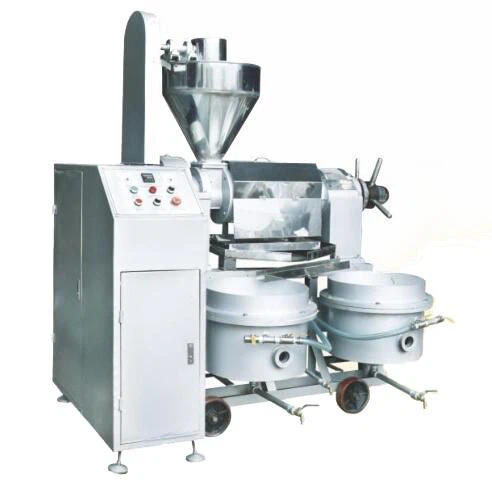
Our Oil Expeller Machine is a versatile option that can handle various types of seeds and nuts. It uses the latest technology to provide a smooth and efficient cold - pressing process.
So, is cold - pressed oil suitable for cooking? The answer is, it depends. There are many cold - pressed oils out there that can be used for different types of cooking. Just make sure to choose the right oil based on its smoke point and flavor profile.
If you're in the market for a Cold Pressing Oil Machine, whether for a small - scale home use or a large - scale commercial operation, we've got you covered. Our machines are built to last, easy to operate, and designed to give you the best quality oil extraction.

Don't hesitate to reach out if you're interested in purchasing our Cold Pressing Oil Machines. We're here to answer all your questions and help you make the right choice for your oil - extraction needs. Whether you're a home cook looking to make your own healthy oils or a business owner in the food industry, we can offer a solution tailored to you.
References:
- "The Health Benefits of Cold - Pressed Oils" - Journal of Nutritional Science
- "Smoke Points of Oils and Fats" - American Oil Chemists' Society