

What are the different types of coconut oil press machines available in the market?
In the realm of coconut oil production, the choice of a suitable coconut oil press machine is pivotal. As a leading supplier of coconut oil press machines, I am well - versed in the diverse types of these machines available in the market. Each type has its own set of features, advantages, and limitations, which are crucial for potential buyers to understand before making a purchase decision.
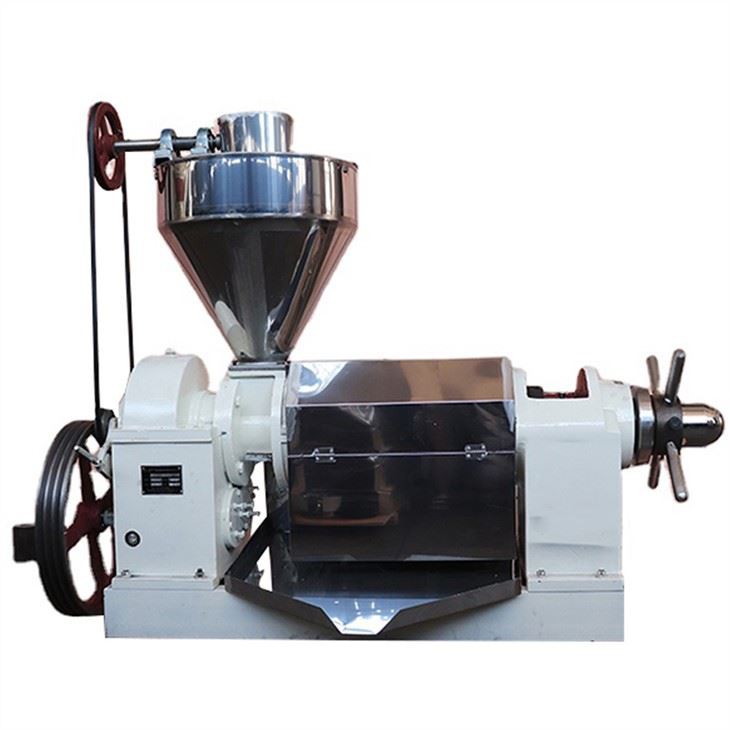
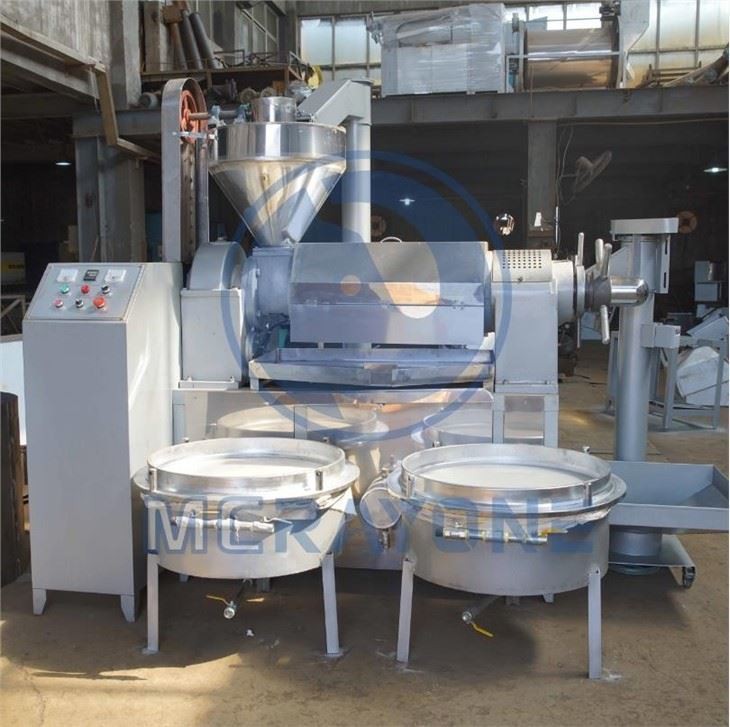
1. Screw Oil Press Machine
The screw oil press machine is one of the most commonly used types in the coconut oil extraction industry. This machine operates on the principle of mechanical pressing. Inside the machine, a rotating screw shaft gradually compresses the coconut kernels or copra, squeezing out the oil.
One of the significant advantages of the Screw Oil Press Machine is its high oil extraction rate. It can effectively extract a large amount of oil from coconuts, making it a cost - effective option for large - scale coconut oil producers. The screw press can also handle different forms of coconut materials, whether it is fresh coconut meat or dried copra.
Moreover, screw oil press machines are relatively easy to operate and maintain. They usually come with a simple control panel, allowing operators to adjust the pressing speed and pressure according to the characteristics of the coconut materials. Regular maintenance mainly involves cleaning the machine and lubricating the moving parts, which can be easily carried out by the in - house maintenance team of the production facility.
However, there are also some drawbacks. The high - temperature generated during the pressing process may cause some damage to the nutritional components of the coconut oil. The heat can lead to the oxidation of unsaturated fatty acids, reducing the quality of the final product. Additionally, the screw press may leave some oil residues in the pressed cake, which means that the extraction efficiency is not 100%.
2. Cold - press Oil Expeller
Cold - press oil expellers are designed to extract oil at low temperatures, usually below 49°C (120°F). This type of machine is highly favored by health - conscious consumers and producers who aim to preserve the natural nutrients and flavor of coconut oil.
The Circulating Cold Oil Expeller is a typical example of a cold - press machine. It uses a special cooling system to maintain a low - temperature environment during the pressing process. By doing so, it can prevent the degradation of the nutritional components in coconut oil, such as vitamins, antioxidants, and medium - chain triglycerides (MCTs).
Cold - pressed coconut oil has a more delicate flavor and aroma compared to oil extracted by high - temperature methods. It is often used in the food industry, especially in the production of high - end food products, cosmetics, and health supplements.
On the downside, cold - press oil expellers generally have a lower oil extraction rate compared to screw oil press machines. The low - temperature pressing process is more time - consuming and requires more energy to achieve the same amount of oil output. This may result in higher production costs, which are then passed on to the consumers.
3. Hydraulic Oil Press Machine
Hydraulic oil press machines use hydraulic pressure to extract oil from coconut materials. The machine consists of a hydraulic cylinder, a pressing chamber, and a control system. When the hydraulic pump is activated, it generates high pressure, which is transferred to the pressing chamber to squeeze the coconut kernels.
One of the main advantages of hydraulic oil press machines is the ability to provide a uniform and stable pressure during the pressing process. This ensures that the coconut materials are evenly compressed, resulting in a high - quality oil extraction. The oil obtained from hydraulic presses is often clear and has a relatively low impurity content.
Hydraulic oil press machines are also suitable for small - scale coconut oil production. They are usually smaller in size and more flexible in operation, making them ideal for home - based businesses or small workshops.
However, hydraulic oil press machines have a relatively low production capacity compared to screw oil press machines. The pressing process is slower, and the machine needs to be reloaded with coconut materials after each pressing cycle. In addition, the maintenance of hydraulic systems can be more complex and requires professional skills. Any leakage in the hydraulic system can lead to a decrease in the pressing efficiency and potential safety hazards.
4. Centrifugal Oil Separator
Centrifugal oil separators are not traditional oil - pressing machines in the strict sense. Instead, they are used in combination with other oil - extraction methods to separate the oil from the coconut milk or oil - water mixture.
The working principle of a centrifugal oil separator is based on the difference in density between oil and water. When the coconut milk or oil - water mixture is fed into the separator, it rotates at a high speed. Due to the centrifugal force, the heavier water and solid particles are thrown to the outer wall of the separator, while the lighter oil accumulates in the center and is then collected through a separate outlet.
Centrifugal oil separators are highly efficient in separating oil from water and impurities. They can quickly and effectively remove a large amount of water and solid residues from the coconut oil, improving the purity of the final product. They are also relatively easy to clean and maintain, as most of the components can be disassembled for thorough cleaning.
However, centrifugal oil separators rely on pre - existing oil - water mixtures. They cannot directly extract oil from coconut kernels. Therefore, they need to be used in conjunction with other oil - extraction machines, such as screw oil presses or cold - press expellers.
5. Solvent - extraction Method (with Associated Equipment)
The solvent - extraction method is a more industrial - scale approach to coconut oil production. It involves using a solvent, usually hexane, to dissolve the oil from the coconut materials.
The process starts with crushing the coconut kernels into small pieces. Then, the crushed materials are soaked in the solvent in an extraction tank. The solvent dissolves the oil, forming an oil - solvent mixture. After that, the mixture is separated from the solid residues, and the solvent is evaporated through a distillation process to obtain the pure coconut oil.
The main advantage of the solvent - extraction method is its extremely high oil extraction rate. It can extract almost all the oil from the coconut materials, maximizing the utilization of raw materials. This method is particularly suitable for large - scale coconut oil production plants where high - volume output is required.
However, the solvent - extraction method has some significant drawbacks. The use of solvents such as hexane poses potential safety and environmental risks. Hexane is a flammable and volatile substance, and improper handling can lead to fire and explosion hazards. In addition, traces of the solvent may remain in the final oil product, which may raise concerns about food safety.
When choosing a coconut oil press machine, several factors need to be considered. The scale of production is a crucial factor. For large - scale commercial production, screw oil press machines or solvent - extraction equipment may be more suitable due to their high production capacity. Small - scale producers or home - based businesses may prefer hydraulic oil press machines or cold - press expellers for their flexibility and ability to produce high - quality oil.
The quality requirements of the final product also play an important role. If the focus is on producing high - quality, nutrient - rich coconut oil, cold - press oil expellers or hydraulic oil press machines may be the better choice. On the other hand, if the main goal is to maximize the oil output and reduce production costs, screw oil press machines or solvent - extraction methods may be more appropriate.
As a supplier of coconut oil press machines, we understand the diverse needs of our customers. We offer a wide range of high - quality coconut oil press machines, including Oil Making Machine, screw oil press machines, cold - press oil expellers, hydraulic oil press machines, and centrifugal oil separators. Our machines are designed with the latest technology and high - quality materials to ensure reliable performance and long - term durability.
If you are interested in purchasing coconut oil press machines for your coconut oil production business, we are here to provide you with professional advice and customized solutions. Our experienced sales team can help you select the most suitable machine according to your production scale, quality requirements, and budget. We also offer comprehensive after - sales services, including installation, training, and maintenance support.
Contact us today to start the discussion about your coconut oil press machine needs. We look forward to establishing a long - term partnership with you and contributing to the success of your coconut oil production business.
References
- Smith, J. (2020). "Advanced Oil Extraction Technologies". Journal of Food Science and Technology.
- Johnson, R. (2019). "The Impact of Pressing Methods on the Quality of Coconut Oil". International Journal of Agricultural Engineering.
- Brown, T. (2021). "Sustainable Coconut Oil Production: Choosing the Right Equipment". Agricultural Research Review.