

What are the logistics management practices in an oil refinery?
Hey there! As a supplier to an oil refinery, I've got a pretty good handle on the logistics management practices that keep these operations running smoothly. In this blog, I'm gonna break down the key aspects of logistics in an oil refinery and share some insights from my experience.
First off, let's talk about the raw materials. Crude oil is the lifeblood of an oil refinery, and getting it to the refinery is a major logistical challenge. There are a few different ways to transport crude oil, including pipelines, tankers, and railcars. Each method has its own advantages and disadvantages.
Pipelines are often the most cost - effective and efficient way to move large volumes of crude oil over long distances. They're also relatively safe and have a low environmental impact compared to other methods. However, building and maintaining pipelines can be expensive, and they're not always a viable option in certain areas.
Tankers are another common way to transport crude oil. They're great for moving large quantities of oil across oceans and to refineries located near ports. But tanker operations require careful planning, as they need to deal with issues like port congestion, weather conditions, and international regulations. You can learn more about the basics of crude oil refining at Crude Oil Simple Refining.
Railcars are a more flexible option, especially for refineries that are not near pipelines or ports. They can transport oil to refineries in remote areas and can be easily rerouted if needed. However, rail transportation can be more expensive than pipelines, and there are concerns about safety, especially after some high - profile derailments in recent years.
Once the crude oil arrives at the refinery, inventory management becomes crucial. An oil refinery needs to maintain an optimal level of crude oil inventory to ensure continuous production. Too little inventory can lead to production stoppages, while too much inventory ties up capital and incurs storage costs.
The refinery uses sophisticated inventory management systems to track the quantity, quality, and location of crude oil in storage. These systems also take into account factors like production schedules, expected demand for refined products, and delivery times of new crude oil shipments.
Now, let's move on to the production process. Logistics within the refinery itself is all about getting the right materials to the right place at the right time. There are multiple processing units in an oil refinery, each with its own set of requirements.
For example, some units need specific additives or catalysts to operate efficiently. These materials need to be ordered, stored, and delivered to the appropriate processing units in a timely manner. Any delay in the delivery of these critical materials can disrupt the entire production process.
In addition, the refinery has to manage the movement of semi - finished and finished products between different processing stages. This requires a well - organized internal transportation system, which may include conveyor belts, pumps, and internal pipelines.
After the oil has been refined, it's time to distribute the finished products. This is where another layer of logistics comes into play. Refined products such as gasoline, diesel, and jet fuel need to be transported to various customers, including gas stations, airlines, and industrial users.

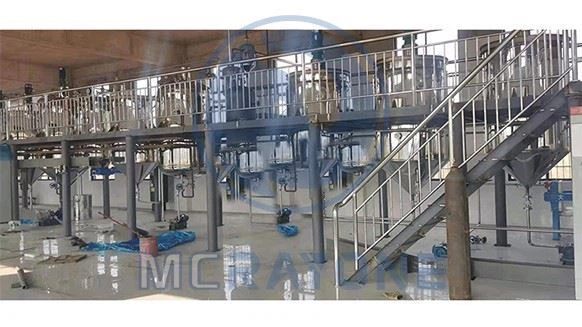
The distribution network for refined products is complex. It often involves a combination of pipelines, tank trucks, and barges. Pipelines are used for long - distance transportation of large volumes of products, while tank trucks are more suitable for local deliveries to gas stations and small - scale customers. Barges are commonly used for transporting products along rivers and coastal areas.
Palm oil refineries also have their own unique logistics requirements. If you're interested in the equipment used in palm oil refining, check out Palm Oil Refining Equipment.
Another important aspect of logistics management in an oil refinery is quality control. At every stage of the process, from the arrival of crude oil to the distribution of finished products, quality control measures are in place. This ensures that the products meet the required standards and specifications.
Samples are taken regularly, and various tests are conducted to check for things like viscosity, density, and chemical composition. If a product fails to meet the quality standards, it may need to be re - processed or disposed of properly. This can have a significant impact on logistics, as it may require additional storage, transportation, and processing steps.
Safety is also a top priority in oil refinery logistics. The transportation and storage of crude oil and refined products involve significant risks, such as fires, explosions, and spills. Refineries and logistics providers need to follow strict safety protocols and regulations to minimize these risks.
This includes things like proper training for employees, regular maintenance of equipment, and the use of safety devices such as fire suppression systems and spill containment barriers. In addition, emergency response plans are in place to deal with any unforeseen incidents quickly and effectively.
Technology plays a big role in modern oil refinery logistics. Advanced software systems are used for everything from inventory management to route planning. These systems can analyze large amounts of data in real - time, allowing for more efficient decision - making.
For example, transportation management systems can optimize delivery routes based on factors like traffic conditions, fuel prices, and vehicle capacity. This not only saves time and money but also reduces the environmental impact of transportation.
If you're in the market for an edible oil refinery machine, you'll find that the right equipment can also streamline your logistics and production processes.
In conclusion, logistics management in an oil refinery is a complex and multi - faceted process. It involves everything from the transportation of raw materials to the distribution of finished products, with quality control and safety as key considerations at every step.
If you're running an oil refinery or looking to improve your logistics operations, I'd love to have a chat with you. I've got the experience and the resources to help you optimize your supply chain, reduce costs, and improve efficiency. Whether you need help with raw material sourcing, inventory management, or product distribution, I'm here to assist. So, don't hesitate to reach out and let's start a conversation about how we can work together to take your oil refinery to the next level!
References
- "Logistics Management in the Oil and Gas Industry" - Industry report on best practices
- "Supply Chain Management in Refineries" - Academic research on refinery supply chains