
What is the difference between a manual and an electric coconut oil press machine?
Hey there! As a supplier of coconut oil press machines, I often get asked about the difference between manual and electric coconut oil press machines. So, I thought I'd put together this blog post to clear things up and help you make an informed decision.
Manual Coconut Oil Press Machines
Let's start with manual coconut oil press machines. These are the old - school way of extracting coconut oil. They're usually made of simple, robust materials like wood or metal. One of the biggest advantages of a manual press is its simplicity. There are no complex electrical components, which means fewer things can go wrong.
These machines are also super portable. You can take them anywhere, whether it's to a small coconut - growing farm in a remote area or to a local market. They're perfect for small - scale producers or home users who only need to make a small amount of coconut oil.
The operation of a manual press is pretty straightforward. You feed the coconut meat into the press, and then you use a lever or a hand - crank to apply pressure. This pressure squeezes the oil out of the coconut meat. It's a bit of a workout, though! You really have to put in some elbow grease, especially if you're processing a large quantity of coconuts.
Cost - wise, manual presses are budget - friendly. They're much cheaper than their electric counterparts, making them accessible to people with a limited budget. If you're just starting out in the coconut oil business or you want to experiment with making your own coconut oil at home, a manual press is a great option.

However, there are some downsides. First of all, the extraction efficiency is relatively low. Since you're relying on human power, you might not be able to extract as much oil as you could with an electric press. It also takes a lot of time, especially when processing a large amount of coconuts. You'll be spending hours turning that crank or pulling that lever.
Electric Coconut Oil Press Machines
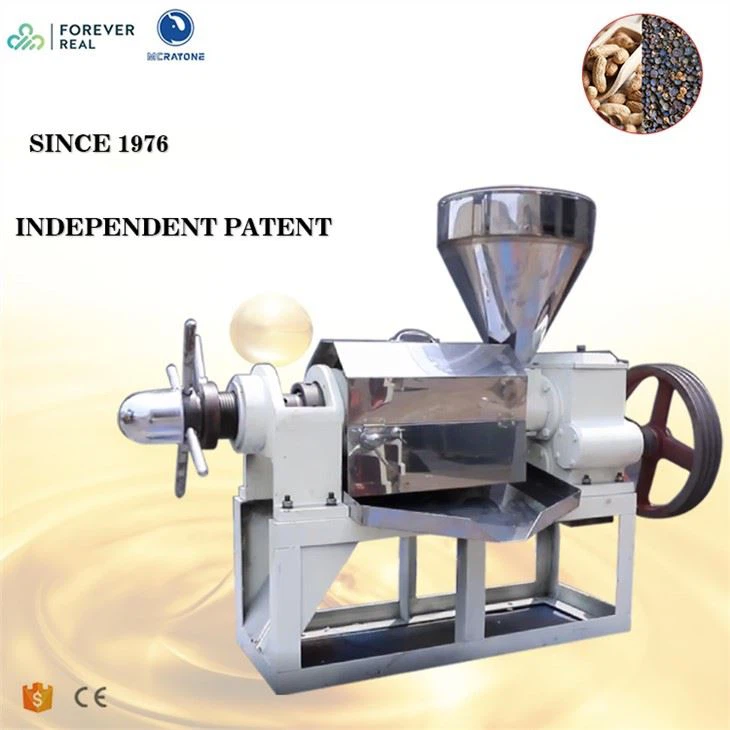
Now, let's talk about electric coconut oil press machines. These are the modern solution for coconut oil extraction. They're powered by electricity, which means they can do the heavy lifting for you.
One of the main advantages of an electric press is its high efficiency. They can extract a large amount of oil in a relatively short period of time. This is great for commercial producers who need to process thousands of coconuts every day. With an electric press, you can increase your production capacity significantly.
Another plus is the consistent quality of the oil. Electric presses can apply uniform pressure, which results in a more consistent oil extraction. The oil produced is usually cleaner and has a better taste compared to oil extracted by a manual press.
These machines also offer more control. You can adjust the pressure and the speed of the press according to the type of coconuts you're using. This allows you to optimize the extraction process and get the best possible yield.
But, of course, there are some drawbacks. Electric coconut oil press machines are more expensive. You have to consider not only the initial purchase price but also the ongoing electricity costs. They're also less portable because they need to be plugged into an electrical outlet. So, if you don't have a stable power supply, an electric press might not be the best choice for you.
Feature Comparison
Let's break down the differences between manual and electric coconut oil press machines into some key features.
Power Source:
- Manual Press: Human power. As I mentioned before, you use a hand - crank or a lever to operate the press.
- Electric Press: Electricity. You just plug it in and turn it on.
Extraction Efficiency:
- Manual Press: Low. You might only be able to extract around 70 - 80% of the available oil.
- Electric Press: High. It can extract up to 90 - 95% of the oil from the coconut meat.
Cost:
- Manual Press: Affordable. The initial cost is low, and there are no electricity costs.
- Electric Press: Expensive. Both the purchase price and the running costs are higher.
Portability:
- Manual Press: Highly portable. You can take it anywhere without worrying about power sources.
- Electric Press: Less portable. It needs to be near an electrical outlet.
Ease of Use:
- Manual Press: Simple but physically demanding. You need to put in a lot of effort.
- Electric Press: Easy. Just follow the instructions and let the machine do the work.
If you're interested in other types of oil press machines, we also offer a mustard oil press machine and a Circulating Cold Oil Expeller. And if sunflower oil is more your thing, we have a sunflower oil press machine too.
Which One Should You Choose?
So, how do you decide between a manual and an electric coconut oil press machine? Well, it depends on your needs and circumstances.
If you're a small - scale producer, a home user, or you're just starting out in the coconut oil business with a tight budget, a manual press is probably the way to go. It's cheap, easy to use, and portable. You can learn the ropes of coconut oil extraction without investing a lot of money.
On the other hand, if you're a commercial producer with a high demand for coconut oil, an electric press is the better choice. It will save you time and labor in the long run, and you'll be able to produce a higher quantity and better - quality oil.
Get in Touch
If you're still not sure which coconut oil press machine is right for you, or if you have any other questions, don't hesitate to reach out. We're here to help you make the best decision for your business. Whether you're interested in a manual or an electric press, we have a wide range of options to meet your needs. Contact us to start a discussion about your coconut oil press machine requirements, and let's work together to find the perfect solution.
References
- General knowledge from the oil press industry.
- Personal experience as a coconut oil press machine supplier.