

What is the environmental impact of an oil refinery?
Hey there! I'm a supplier for oil refineries, and today, I wanna chat about the environmental impact of an oil refinery. It's a hot topic these days, and as someone in the industry, I've got some insights to share.
Let's start with the basics. An oil refinery is a complex industrial facility that processes crude oil into various useful products like gasoline, diesel, jet fuel, and heating oil. But this process isn't without its environmental consequences.
Air Pollution
One of the most significant environmental impacts of an oil refinery is air pollution. During the refining process, a whole bunch of pollutants are released into the air. For instance, sulfur dioxide (SO₂) is a major by - product. When crude oil is refined, the sulfur in it is converted into SO₂. This gas can react with other substances in the atmosphere to form acid rain. Acid rain can damage forests, lakes, and buildings, and it's a real headache for the environment.
Another pollutant is nitrogen oxides (NOₓ). These are produced when high - temperature combustion occurs in the refinery. NOₓ can contribute to the formation of smog, which is not only bad for the environment but also for human health. Smog can cause respiratory problems, especially for people with asthma or other lung conditions.
Particulate matter (PM) is also a concern. Tiny particles are emitted during the refining process, and these can be inhaled into the lungs. Long - term exposure to PM can lead to serious health issues, including heart and lung diseases.
Water Pollution
Oil refineries also have a big impact on water quality. Refineries use a large amount of water for cooling and other processes. This water often gets contaminated with oil, heavy metals, and chemicals. If this contaminated water is released into nearby water bodies without proper treatment, it can have devastating effects on aquatic life.
Oil spills are another major problem. Even with strict safety measures in place, accidents can happen. A small oil spill can coat the surface of the water, preventing oxygen from reaching the organisms below. This can lead to the death of fish, shellfish, and other marine life. Heavy metals like lead, mercury, and cadmium can also be present in the wastewater from refineries. These metals can bioaccumulate in the food chain, meaning they build up in the bodies of organisms over time. Eventually, this can affect humans who consume contaminated seafood.
Land Pollution
The land around oil refineries can also be affected. Solid waste is generated during the refining process, and if not managed properly, it can contaminate the soil. This waste may contain hazardous chemicals and heavy metals. Over time, these contaminants can seep into the groundwater, further spreading the pollution.
Moreover, the construction of oil refineries often involves clearing large areas of land. This can lead to deforestation and the destruction of natural habitats. Many species of plants and animals lose their homes, which can disrupt the local ecosystem.
Greenhouse Gas Emissions
Oil refineries are significant contributors to greenhouse gas emissions. The refining process requires a lot of energy, and most of this energy comes from burning fossil fuels. Carbon dioxide (CO₂) is the main greenhouse gas emitted during this process. CO₂ traps heat in the atmosphere, leading to global warming.
Methane (CH₄) is another potent greenhouse gas that can be emitted from oil refineries. Methane is released during the extraction and refining of oil. Although it's present in smaller quantities than CO₂, it's much more effective at trapping heat in the atmosphere.
Mitigating the Environmental Impact
But it's not all doom and gloom. There are ways to reduce the environmental impact of oil refineries. For example, refineries can invest in advanced pollution control technologies. Scrubbers can be installed to remove sulfur dioxide from the exhaust gases. Catalytic converters can help reduce nitrogen oxide emissions.
In terms of water pollution, refineries can implement better wastewater treatment systems. These systems can remove oil, heavy metals, and chemicals from the water before it's released back into the environment. Regular maintenance and inspections can also help prevent oil spills.
To reduce greenhouse gas emissions, refineries can switch to more energy - efficient processes. They can also invest in renewable energy sources like solar or wind power to meet some of their energy needs.

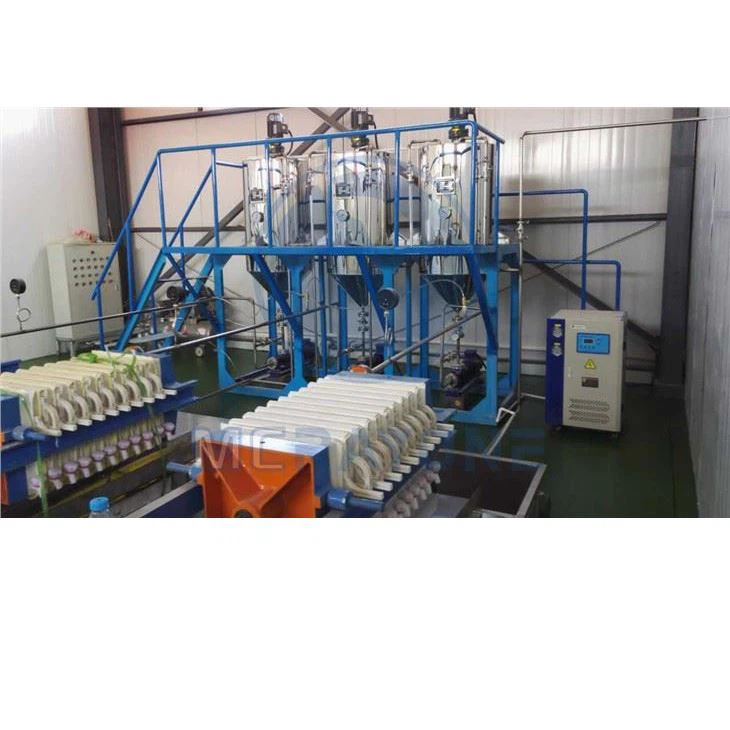
As a supplier, I'm always looking for ways to help refineries be more environmentally friendly. We offer a range of equipment that can help with pollution control and energy efficiency. For example, our cooking oil refinery machine is designed to be more energy - efficient and produce less waste. Our Sunflower Oil Refining Equipment is also built with environmental considerations in mind. And our Cold Filtration Refinery can help reduce the amount of energy used during the refining process.
The Future of Oil Refineries
The future of oil refineries will likely involve a greater focus on sustainability. As the demand for cleaner energy sources grows, refineries will need to adapt. Some refineries may start to produce biofuels or other alternative fuels. This can help reduce the reliance on fossil fuels and lower greenhouse gas emissions.
There will also be more pressure from governments and environmental groups to meet stricter environmental standards. Refineries will need to invest in research and development to find new and innovative ways to reduce their environmental impact.
Contact for Procurement
If you're in the market for oil refinery equipment and are looking for ways to make your refinery more environmentally friendly, I'd love to chat. Whether you're just starting out or looking to upgrade your existing equipment, we've got the solutions you need. Don't hesitate to reach out and start a conversation about how we can work together to make your refinery more sustainable.
References
- Environmental Protection Agency. (2023). Oil and Gas Refining. Retrieved from [agency website].
- International Energy Agency. (2023). The Future of Refining. Retrieved from [IEA website].
- World Health Organization. (2023). Air Pollution and Health. Retrieved from [WHO website].