

What is the role of the filter in a press oil machine?
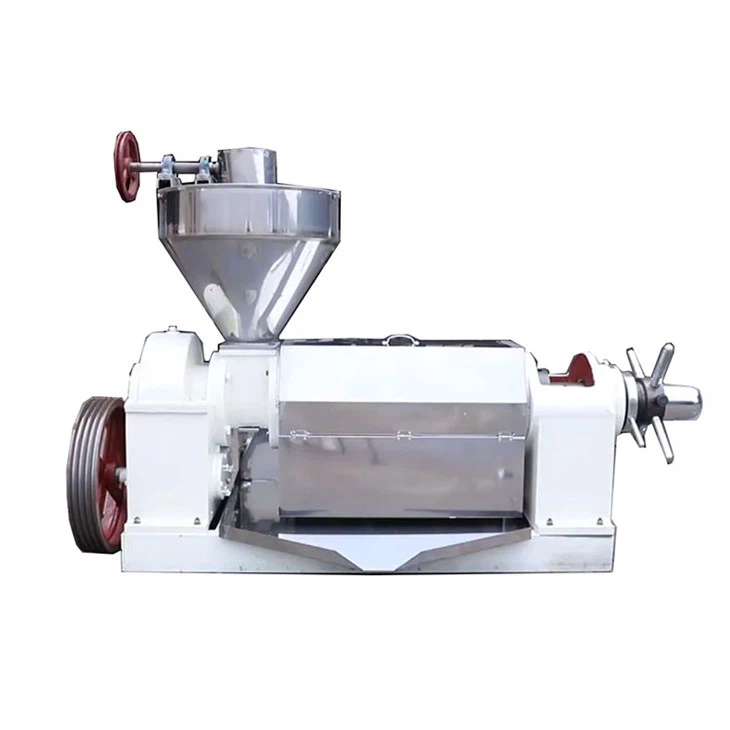
In the realm of oil extraction, the press oil machine stands as a cornerstone technology, enabling the efficient conversion of oil - rich seeds and nuts into valuable edible oils. As a seasoned supplier of press oil machines, I've witnessed firsthand the crucial role that each component plays in the overall performance of these machines. Among these components, the filter holds a position of particular significance.
The Fundamental Function of the Filter
The primary function of the filter in a press oil machine is to purify the extracted oil. When the press oil machine crushes oil - bearing materials such as sesame, sunflower seeds, or peanuts, the initial output is a mixture that contains not only the desired oil but also various impurities. These impurities can include fine particles of the crushed material, such as seed husks, pulp fragments, and even some moisture.
For instance, in a sesame oil press, after the sesame seeds are squeezed, the raw oil is thick and turbid. Without proper filtration, these impurities can affect the quality, taste, and shelf - life of the oil. The filter acts as a gatekeeper, allowing only the pure oil to pass through while trapping the unwanted solid and liquid contaminants.
Types of Filters and Their Working Principles
There are several types of filters commonly used in press oil machines, each with its own unique working principle and application scenarios.
Gravity Filters
Gravity filters are one of the simplest and most traditional types of filters. They rely on the force of gravity to separate the oil from the impurities. In a gravity filter, the raw oil is poured into a container with a filtering medium, such as filter paper or a fine - mesh cloth. As the oil slowly passes through the filtering medium under the influence of gravity, the impurities are retained on the surface of the medium.
This type of filter is relatively inexpensive and easy to operate. However, it has a relatively low filtration speed and may not be suitable for large - scale oil production. Gravity filters are often used in small - scale or home - based oil extraction operations, where the production volume is relatively low.
Pressure Filters
Pressure filters, on the other hand, use external pressure to force the oil through the filtering medium. This can significantly increase the filtration speed and efficiency. In a pressure filter, the raw oil is pumped into a chamber that is filled with a filtering element, such as a filter plate or a filter cartridge. The pressure forces the oil to pass through the filtering element, leaving the impurities behind.
Pressure filters are commonly used in commercial oil production facilities. They can handle large volumes of oil and are capable of achieving a high level of filtration. For example, in a sunflower oil press machine used in a large - scale sunflower oil production plant, a pressure filter can quickly and effectively remove the impurities from the extracted oil, ensuring that the final product meets the high - quality standards required by the market.
Centrifugal Filters
Centrifugal filters utilize the principle of centrifugal force to separate the oil from the impurities. In a centrifugal filter, the raw oil is spun at high speed in a centrifuge. The centrifugal force causes the heavier impurities to move towards the outer wall of the centrifuge, while the lighter oil remains in the center. The separated oil can then be collected from the center of the centrifuge.
Centrifugal filters are known for their high - speed separation and relatively low energy consumption. They are often used in applications where a high - volume, continuous filtration process is required. However, they may not be as effective in removing very fine particles as some other types of filters.
Impact on Oil Quality
The quality of the oil produced by a press oil machine is directly related to the performance of the filter. A good filter can significantly improve the clarity, purity, and stability of the oil.

Clarity
One of the most obvious effects of a well - functioning filter is the improvement in the clarity of the oil. Clear oil is more appealing to consumers and is often associated with higher quality. By removing the suspended particles and impurities, the filter makes the oil transparent and free from cloudiness.
Purity
The filter also plays a crucial role in ensuring the purity of the oil. Impurities in the oil can contain harmful substances, such as mold, bacteria, and heavy metals. These substances can not only affect the taste and smell of the oil but also pose a health risk to consumers. A high - quality filter can effectively remove these impurities, ensuring that the oil is safe for consumption.
Stability
In addition to clarity and purity, the filter can also enhance the stability of the oil. Impurities in the oil can act as catalysts for oxidation and rancidity, which can reduce the shelf - life of the oil. By removing these impurities, the filter helps to slow down the oxidation process and extend the shelf - life of the oil.
Influence on Machine Performance
The filter not only affects the quality of the oil but also has a significant impact on the performance and longevity of the press oil machine itself.
Protection of Machine Components
A clogged or inefficient filter can cause problems for the press oil machine. When the filter is unable to effectively remove the impurities, these impurities can accumulate in the machine's pipes, valves, and other components. This can lead to blockages, increased wear and tear, and even damage to the machine.
For example, if the impurities are not filtered out properly, they can enter the pump of the press oil machine and cause the pump to malfunction. By ensuring that the oil is clean before it enters the machine's components, the filter helps to protect the machine and reduce the need for maintenance and repairs.
Energy Efficiency
An efficient filter can also contribute to the energy efficiency of the press oil machine. When the oil is clean and free from impurities, it flows more smoothly through the machine's pipes and components. This reduces the resistance and friction within the machine, which in turn reduces the energy consumption of the machine.
Importance in Different Oil - Extraction Processes
The role of the filter varies depending on the type of oil - extraction process and the raw materials used.
Seed - Based Oil Extraction
In seed - based oil extraction, such as the production of sesame oil press or sunflower oil press machine, the filter is essential for removing the fine particles of the crushed seeds. These particles can be very small and difficult to separate from the oil. A high - quality filter can ensure that the final oil product is free from these particles, resulting in a clear and pure oil.
Nut - Based Oil Extraction
For nut - based oil extraction, such as almond oil or walnut oil production, the filter also plays a crucial role. Nuts often contain a higher amount of protein and other organic matter, which can form a thick sludge during the oil - extraction process. The filter helps to remove this sludge and other impurities, ensuring that the oil has a smooth texture and a pleasant taste.
Conclusion
In conclusion, the filter is an indispensable component of a press oil machine. It plays a vital role in purifying the oil, improving its quality, protecting the machine, and enhancing the overall efficiency of the oil - extraction process. As a supplier of Oil Making Machine, we understand the importance of providing high - quality filters as part of our press oil machines.
If you are in the market for a press oil machine or are looking to upgrade your existing oil - extraction equipment, we invite you to contact us for a detailed consultation. Our team of experts can help you select the most suitable press oil machine and filter system for your specific needs. Whether you are a small - scale producer or a large - scale industrial operation, we have the solutions to meet your requirements.
References
- Smith, J. (2018). "Principles of Oil Extraction and Filtration". Journal of Food Science and Technology.
- Brown, A. (2019). "Advances in Filter Technology for Oil Production". Industrial Engineering Journal.
- Green, C. (2020). "The Impact of Filtration on Oil Quality and Machine Performance". Oil Industry Review.