

Production Process Of Linseed Oil
Production process of linseed oil
1. Pretreatment
During the pretreatment stage, flaxseeds require a destoner to remove impurities from the seeds, separating dirt, stones, and large shell fragments. This prevents hard impurities from causing wear and tear during the subsequent pressing process.

2. Roasting
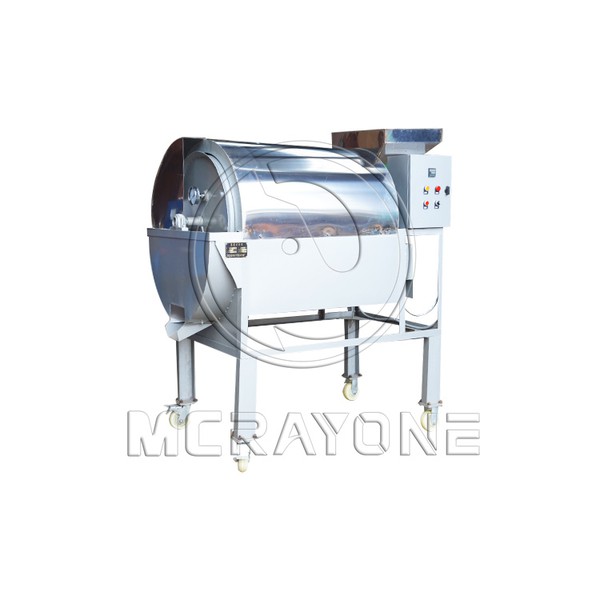
The crushed flaxseed kernels are placed in a wok, where they are heated. By adjusting the temperature, humidity, and moisture content of the flaxseed kernels, the kernels are in optimal condition before pressing. Roasting the flaxseeds improves oil yield.
3. Pressing
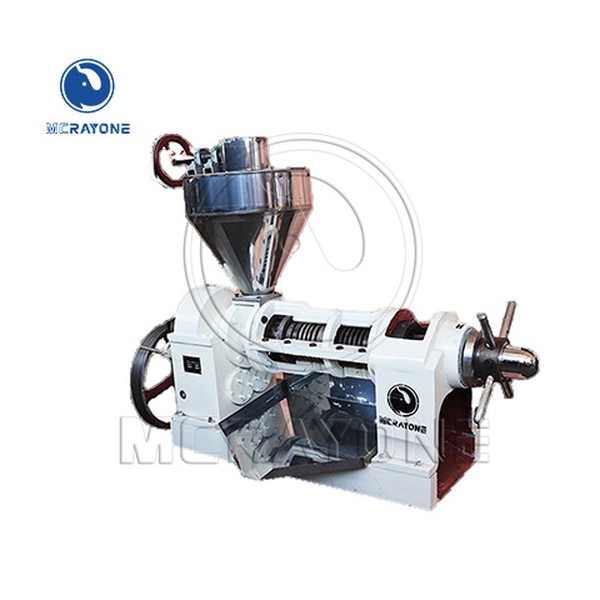
The processed flaxseed kernels are placed in the hopper of a screw press. The rotating screw shaft generates pressure, causing the oil to flow out of the slits in the press cage, while the residue (cake) is discharged at the end. The pressed oil, called "crude oil," contains impurities and requires further filtration for preliminary purification.
4. Filtration
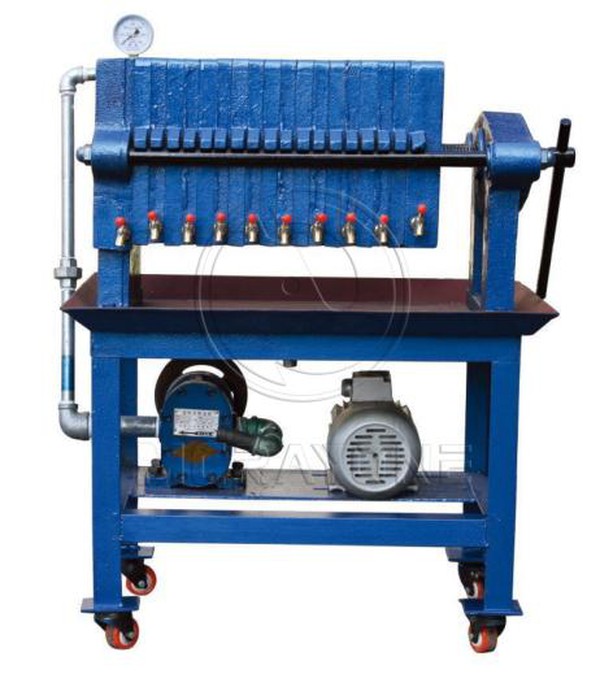
Filtering crude flaxseed oil is a critical step in flaxseed oil production. A plate and frame filter is recommended for this process. The purpose of filtering the crude oil is to remove solid impurities and provide relatively pure raw material for subsequent refining. The crude oil is pumped into the oil press. After passing through the filter cloth, large impurities in the crude oil are retained on the filter cloth. The clarified filtered oil flows out of the tap.
5. Refining and Packaging
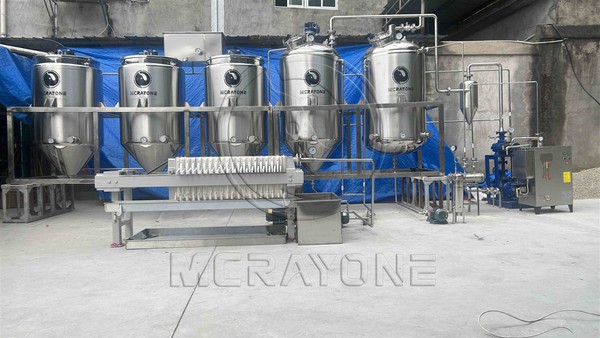
The filtered linseed oil passes through refining equipment for dephosphorization, deacidification, decolorization, deodorization, and dewaxing. Once the refined linseed oil passes inspection (for indicators such as acid value, peroxide value, and residual solvents), it is bottled, labeled, and boxed, ultimately becoming the finished product for sale.