

Can an oil making machine be used for making bio - diesel oil?
In recent years, biodiesel has emerged as a promising alternative to traditional fossil fuels due to its renewable nature, lower emissions, and potential to reduce dependence on imported oil. As a leading supplier of oil making machines, our company often receives inquiries about whether our machines can be used for making biodiesel oil. This blog post aims to delve into this topic, exploring the technical feasibility, processes involved, and considerations for using oil making machines in biodiesel production.
Understanding Biodiesel
Biodiesel is a type of diesel fuel made from renewable resources, such as vegetable oils, animal fats, or recycled cooking oils. It is typically produced through a chemical process called transesterification, in which triglycerides (the primary component of fats and oils) react with an alcohol (usually methanol) in the presence of a catalyst (commonly sodium hydroxide or potassium hydroxide) to form fatty acid methyl esters (FAME), which is the main component of biodiesel, and glycerol as a by - product.
Can an Oil Making Machine Produce Biodiesel?
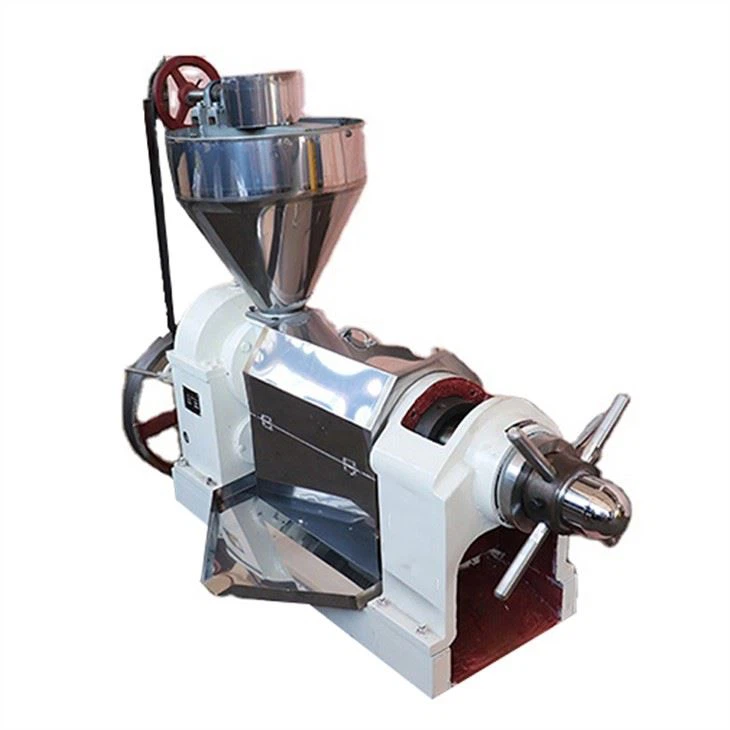
The answer is both yes and no. Traditional oil making machines, such as those we supply for extracting oil from seeds and nuts, are primarily designed for the physical extraction of oil from raw materials. Their main functions are to crush, press, and separate the oil from the solid residues. These machines are excellent at producing crude vegetable oils, which can be a starting point for biodiesel production.
For example, our Oil Press Machine Making For The Palm Oil is specifically engineered to extract high - quality palm oil from palm fruits. The palm oil extracted by this machine can be further processed into biodiesel. Similarly, our Olive Oil Press Machine can produce olive oil, and Tea Seeds Oil Presser can extract tea seed oil, both of which can serve as feedstocks for biodiesel.
However, an oil making machine alone is not sufficient to produce biodiesel. The oil extracted by these machines needs to undergo the transesterification process mentioned earlier. This requires additional equipment, such as reactors, separators, and purification systems, to convert the raw vegetable oil into biodiesel.
The Role of Oil Making Machines in Biodiesel Production
Oil Extraction
The first crucial step in biodiesel production is obtaining a sufficient quantity of raw oil. Our oil making machines play a vital role in this process. They are equipped with advanced technology to ensure high - efficiency oil extraction. For instance, our screw - type oil presses use a continuous screw - pressing mechanism that can crush oil - bearing materials thoroughly and extract oil effectively. This high - quality extracted oil is essential for producing high - grade biodiesel.
Feedstock Quality
The quality of the oil extracted by our machines directly impacts the quality of the biodiesel produced. High - quality oil with low levels of impurities, free fatty acids, and moisture is preferred for biodiesel production. Our oil making machines are designed to minimize the presence of such impurities during the extraction process. For example, they are equipped with filtration systems that can remove solid particles and some unwanted substances from the extracted oil, ensuring a clean and pure feedstock for biodiesel production.
Additional Considerations for Biodiesel Production
Chemical Processes and Safety
As mentioned earlier, the transesterification process is a chemical reaction that requires careful handling of chemicals such as methanol and catalysts. Safety measures must be in place to prevent accidents and ensure the well - being of workers. Additionally, the reaction conditions, such as temperature, pressure, and reaction time, need to be precisely controlled to achieve a high conversion rate of oil to biodiesel.
Regulatory Compliance
The production and use of biodiesel are subject to various regulations and standards in different regions. These regulations cover aspects such as biodiesel quality, environmental impact, and safety. When considering using our oil making machines for biodiesel production, customers need to ensure that their overall production process complies with the relevant local regulations.
Feedstock Availability and Sustainability
The choice of feedstock for biodiesel production is also an important consideration. While vegetable oils are a common feedstock, their availability and cost can vary depending on factors such as seasonality, agricultural production, and market demand. Moreover, sustainable sourcing of feedstock is becoming increasingly important to minimize the environmental impact of biodiesel production.
Conclusion
In conclusion, while our oil making machines cannot directly produce biodiesel, they are an essential part of the biodiesel production chain. They enable the efficient extraction of high - quality raw oils, which are the building blocks for biodiesel. If you are interested in starting a biodiesel production project or looking to upgrade your existing production process, our company can provide you with top - of - the - line oil making machines.

If you have any questions regarding our oil making machines or would like to discuss potential partnerships for biodiesel production, please feel free to reach out. Our team of experts is ready to assist you in finding the most suitable solutions for your needs.
References
- Knothe, G. (2005). Biodiesel and renewable diesel: A comparison. Fuel Processing Technology, 86(15 - 16), 1059 - 1070.
- Ma, F., & Hanna, M. A. (1999). Biodiesel production: A review. Bioresource Technology, 70(1), 1 - 15.