
What are the maintenance requirements of an oil refinery?
An oil refinery is a complex industrial facility that processes crude oil into various refined products such as gasoline, diesel, jet fuel, and lubricants. As a leading supplier in the oil refinery industry, I understand the critical importance of proper maintenance to ensure the smooth operation, safety, and efficiency of these facilities. In this blog post, I will delve into the key maintenance requirements of an oil refinery, highlighting the essential aspects that every refinery operator should consider.
Regular Equipment Inspections
One of the fundamental maintenance requirements of an oil refinery is regular equipment inspections. Refineries are equipped with a wide range of complex machinery, including pumps, compressors, heat exchangers, distillation columns, and storage tanks. These equipment components are subjected to high pressures, temperatures, and corrosive environments, which can lead to wear and tear over time. Regular inspections help identify potential issues before they escalate into major problems, reducing the risk of unplanned downtime and costly repairs.
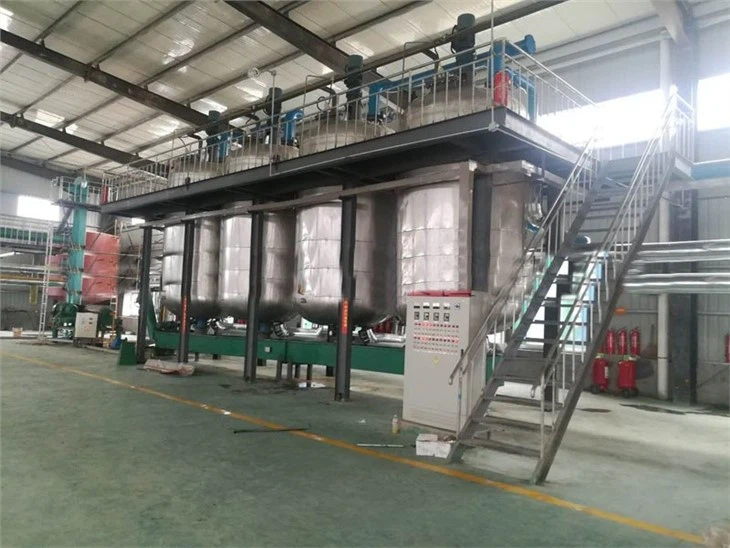

Inspections should be conducted according to a predetermined schedule, taking into account the type of equipment, its operating conditions, and the manufacturer's recommendations. Visual inspections, non-destructive testing (NDT) techniques such as ultrasonic testing and radiography, and performance monitoring are some of the common methods used to assess the condition of equipment. For example, ultrasonic testing can detect internal defects in pipes and pressure vessels, while performance monitoring can identify changes in equipment efficiency and operating parameters.
Preventive Maintenance Programs
In addition to regular inspections, oil refineries should implement comprehensive preventive maintenance programs. Preventive maintenance involves performing routine maintenance tasks at scheduled intervals to prevent equipment failures and extend the lifespan of assets. This approach is based on the principle of "prevention is better than cure," as it helps avoid costly breakdowns and production losses.
Preventive maintenance tasks may include lubrication, filter replacement, valve adjustment, and calibration of instruments. These tasks should be carried out by trained maintenance personnel using the appropriate tools and equipment. For example, lubrication is essential to reduce friction and wear in rotating equipment such as pumps and compressors, while filter replacement helps prevent the accumulation of contaminants in the system.
Corrosion Protection
Corrosion is a major concern in oil refineries, as it can cause significant damage to equipment and infrastructure. Crude oil contains various corrosive substances such as sulfur compounds, acids, and salts, which can react with metal surfaces and cause corrosion. In addition, the high temperatures and pressures in refinery processes can accelerate the corrosion rate.
To prevent corrosion, oil refineries should implement effective corrosion protection measures. This may include the use of corrosion-resistant materials, such as stainless steel and alloy steels, in the construction of equipment and pipelines. Coating and lining systems can also be applied to protect metal surfaces from corrosion. For example, epoxy coatings are commonly used to protect storage tanks and pipelines, while ceramic linings can be used to protect high-temperature equipment.
Regular monitoring of corrosion rates is also essential to ensure the effectiveness of corrosion protection measures. This can be done using techniques such as corrosion coupons, electrical resistance probes, and ultrasonic thickness measurements. If corrosion is detected, appropriate corrective actions should be taken, such as repairing or replacing corroded components.
Safety Systems Maintenance
Safety is of utmost importance in oil refineries, as these facilities handle hazardous materials and operate under high pressures and temperatures. To ensure the safety of personnel and the environment, oil refineries should maintain their safety systems in good working condition.
Safety systems in oil refineries include fire protection systems, emergency shutdown systems, gas detection systems, and personal protective equipment (PPE). These systems should be regularly inspected, tested, and maintained to ensure their reliability. For example, fire protection systems such as sprinklers and fire extinguishers should be inspected and tested monthly to ensure they are in good working condition. Emergency shutdown systems should be tested regularly to ensure they can be activated quickly in case of an emergency.
Training and education of personnel on safety procedures and the proper use of safety equipment are also essential to prevent accidents and ensure a safe working environment. Regular safety drills and exercises should be conducted to test the effectiveness of emergency response plans and to train personnel on how to respond to different types of emergencies.
Environmental Compliance
Oil refineries are subject to various environmental regulations and standards, which aim to protect the environment and public health. To ensure compliance with these regulations, oil refineries should implement effective environmental management systems and maintain their environmental control equipment.
Environmental control equipment in oil refineries includes wastewater treatment plants, air pollution control systems, and solid waste management facilities. These equipment should be regularly inspected, maintained, and upgraded to ensure their effectiveness in reducing emissions and waste generation. For example, wastewater treatment plants should be monitored regularly to ensure they are treating wastewater to the required standards before discharge. Air pollution control systems such as scrubbers and catalytic converters should be maintained to ensure they are removing pollutants from exhaust gases effectively.
In addition to maintaining environmental control equipment, oil refineries should also implement measures to reduce their environmental impact. This may include the use of renewable energy sources, energy efficiency measures, and waste reduction and recycling programs. For example, some oil refineries are using solar panels and wind turbines to generate electricity, while others are implementing energy management systems to reduce energy consumption.
Training and Development of Maintenance Personnel
The effectiveness of maintenance in an oil refinery depends largely on the skills and knowledge of the maintenance personnel. Therefore, oil refineries should invest in the training and development of their maintenance staff to ensure they have the necessary skills and expertise to perform their jobs effectively.
Training programs for maintenance personnel should cover a wide range of topics, including equipment maintenance, safety procedures, troubleshooting techniques, and the use of advanced maintenance technologies. These programs can be delivered through a combination of classroom training, on-the-job training, and online learning. For example, on-the-job training can provide hands-on experience in equipment maintenance and repair, while classroom training can provide theoretical knowledge on maintenance principles and practices.
In addition to technical training, maintenance personnel should also receive training on soft skills such as communication, teamwork, and problem-solving. These skills are essential for effective collaboration and coordination in a maintenance team, as well as for resolving complex maintenance issues.
Conclusion
In conclusion, the maintenance requirements of an oil refinery are complex and multifaceted. Regular equipment inspections, preventive maintenance programs, corrosion protection, safety systems maintenance, environmental compliance, and training and development of maintenance personnel are all essential aspects of refinery maintenance. By implementing these maintenance measures, oil refineries can ensure the smooth operation, safety, and efficiency of their facilities, while also meeting environmental regulations and standards.
As a supplier of oil refinery equipment and services, I am committed to helping refinery operators meet their maintenance requirements. We offer a wide range of products and solutions, including Industrial Sunflower Oil Refinery Plant, 1TPD Semi-refining System, and Cottonseed Oil Refining System, which are designed to improve the performance and reliability of refinery operations. If you are interested in learning more about our products and services, or if you have any questions about oil refinery maintenance, please feel free to contact us for a consultation. We look forward to working with you to ensure the success of your oil refinery.
References
- API Recommended Practice 570, Inspection of Piping Systems
- ASTM Standards for Non-Destructive Testing
- OSHA Regulations for Oil Refineries
- EPA Regulations for Air and Water Pollution Control in Oil Refineries