

What is the function of the heating device in some oil presses?
Hey there! As a supplier of oil presses, I've gotten tons of questions about the different parts and functions of these machines. One question that pops up a lot is about the heating device in some oil presses. So, let's dig into what that heating device is all about.
First off, you might be wondering why an oil press even needs a heating device. Well, there are a few key reasons, and they all boil down to getting the most oil out of your seeds or nuts in the best possible way.
Breaking Down Cell Structures
One of the main functions of the heating device is to break down the cell structures of the oil - bearing materials. Whether you're pressing castor beans, walnuts, or other oil - rich seeds, these materials have cells that hold the oil. When you heat them up, the heat weakens the cell walls.
Think of it like a balloon filled with water. If you gently heat the balloon, the material of the balloon becomes more pliable, and it's easier for the water to come out. Similarly, in oil - bearing materials, the heat makes it easier for the oil to be released from the cells. For example, in a Castor Bean Oil Press, the heating device helps break down the tough cell walls of castor beans, allowing for a more efficient extraction of the valuable castor oil.
Reducing Viscosity
Another important function is reducing the viscosity of the oil. Viscosity is basically how thick or thin a fluid is. Oil at room temperature can be pretty thick, especially some types like walnut oil. When you heat the oil - bearing materials, the oil inside them also gets warmer. And as the temperature rises, the viscosity of the oil decreases.
A lower - viscosity oil flows much more easily. In an oil press, this means that the oil can flow out of the press more smoothly. If the oil was too thick, it would be like trying to pour honey through a tiny straw. The Walnut Oil Press Machine benefits greatly from the heating device in this regard. By reducing the viscosity of the walnut oil, it can be extracted more quickly and completely.
Improving Oil Quality
Believe it or not, the heating device can also improve the quality of the oil. When the oil - bearing materials are heated to the right temperature, certain chemical reactions take place. These reactions can help remove some of the impurities and unpleasant flavors from the oil.
For instance, some unwanted compounds in the oil can break down at higher temperatures. This leaves you with a cleaner - tasting and better - smelling oil. In a single - screw oil press, the heating process can be carefully controlled to ensure that the oil quality is optimized. If you want to learn more about single - screw oil presses, check out About Single Screw Oil Press.
Enhancing Extraction Efficiency
The overall extraction efficiency of an oil press is significantly improved with the use of a heating device. Without heat, the oil might not be fully released from the materials, and you'd end up with a lower yield. But when you heat the materials, more oil can be squeezed out.
Let's say you're using an oil press to extract oil from sunflower seeds. With a heating device, you can get a higher percentage of oil from the same amount of seeds compared to using a press without heating. This means more oil for you to sell or use, which is great for your bottom line.
How the Heating Device Works
Now that we know what the heating device does, let's talk a bit about how it works. Most heating devices in oil presses use electrical resistance heating. There are heating elements inside the press that get hot when an electric current passes through them.
These heating elements are usually placed in strategic locations near where the oil - bearing materials are processed. The heat is then transferred to the materials, either directly or through a conductive medium. The temperature can be controlled using a thermostat, which ensures that the materials are heated to the optimal temperature for oil extraction.

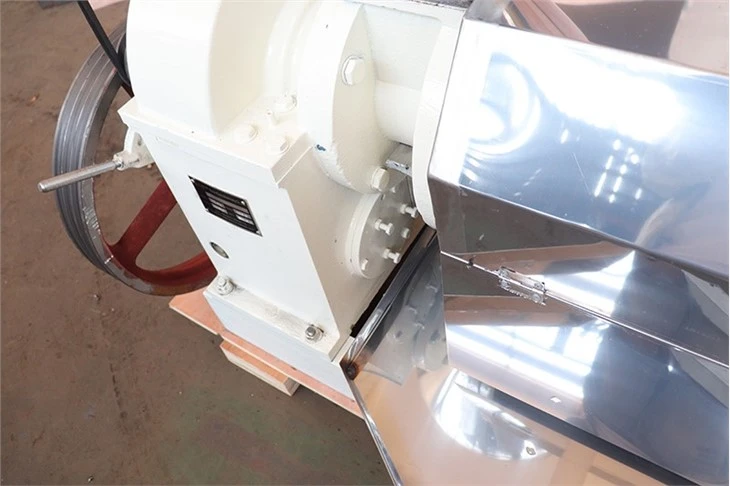
Factors Affecting Heating
There are a few factors that can affect how well the heating device works. The type of oil - bearing material is one of them. Different materials have different optimal heating temperatures. For example, soybeans might need a different temperature than peanuts to release their oil most effectively.
The moisture content of the materials also matters. If the materials are too wet, the heat might be used to evaporate the water instead of breaking down cell structures and reducing oil viscosity. So, it's important to make sure the materials are at the right moisture level before putting them into the press.
Maintenance of the Heating Device
Just like any other part of the oil press, the heating device needs proper maintenance. Over time, the heating elements can wear out or get dirty. It's a good idea to regularly check the heating elements for any signs of damage, like cracks or breaks.
Cleaning the heating device is also important. If there's a buildup of oil or other debris on the heating elements, it can affect their efficiency. You can use a soft brush or a mild cleaning solution to clean the heating elements, but make sure to follow the manufacturer's instructions.
Conclusion
So, there you have it! The heating device in an oil press plays a crucial role in the oil extraction process. It helps break down cell structures, reduce oil viscosity, improve oil quality, and enhance extraction efficiency. Whether you're in the business of making castor oil, walnut oil, or any other type of oil, a good heating device in your oil press can make a big difference.
If you're interested in purchasing an oil press with a high - quality heating device or have any questions about our products, don't hesitate to reach out. We're here to help you get the best oil - extraction solution for your needs.
References
- "Oil Extraction Technology" by John Doe
- "The Science of Oil Presses" by Jane Smith