


Cold Pressing Vs. Hot Pressing: How Do The Two Extraction Processes Affect Your Oil Project?
Choosing between cold pressing and hot pressing is the first critical decision every client faces when planning an oil processing project. This choice not only directly affects the final oil's quality, flavor, and nutritional value, but also determines oil yield, production costs, and ultimately your market positioning.

Cold pressing involves no heating – the oilseeds are pressed at room temperature or below 60 °C, relying solely on mechanical force to separate the oil. The entire process is purely physical, with no chemical additives. The biggest advantage of cold pressing lies in nutrient preservation. Since no high heat is involved, heat-sensitive nutrients such as vitamin E, phytosterols, and natural antioxidants are largely retained. The resulting oil is clear in color, mild in taste, and has a clean, natural aroma – ideal for direct consumption, salad dressings, or as an ingredient for health supplements. For this reason, cold pressing is commonly used for high-value oilseeds like almonds, walnuts, sesame, and flaxseed. These raw materials are already expensive, and the market demands superior nutritional quality and natural attributes, accepting a relatively higher retail price. However, cold pressing has a limitation: the oil yield is relatively low, typically extracting only 60-70% of the total oil, with the remainder left in the meal. This means that, for the same amount of raw material, the total oil output is significantly lower than that achieved by hot pressing.
|
Criteria |
Cold Pressing |
Hot Pressing |
|
Nutritional preservation |
Retains vitamins E and antioxidants intact |
Partial loss of heat-sensitive nutrients |
|
Oil yield |
Lower; more residual oil left in the meal |
Higher; more cost‑effective |
|
Flavour & aroma |
Mild, pure, preserves the natural taste of the seed |
Intense, roasted aroma (Maillard reaction) |
|
Suitable oilseeds |
High‑value nuts and seeds (walnuts, almonds, sesame) |
Bulk commodities (peanuts, sunflower, soybeans) |
|
Target markets |
Health foods, premium oils, dietary supplements |
Everyday cooking oils, foodservice, food industry |
|
Equipment |
Basic press only |
Press + roaster / heating system |
|
Production costs |
No heating fuel; lower energy and labour costs |
Higher energy and labour costs |
#Comparison Table: Cold Pressing vs. Hot Pressing
In actual practice, many processing plants adopt both processes across their product lines, processing different oilseeds with the most suitable method, thereby covering a broader market spectrum. This hybrid approach effectively balances oil yield, product quality, and market reach.
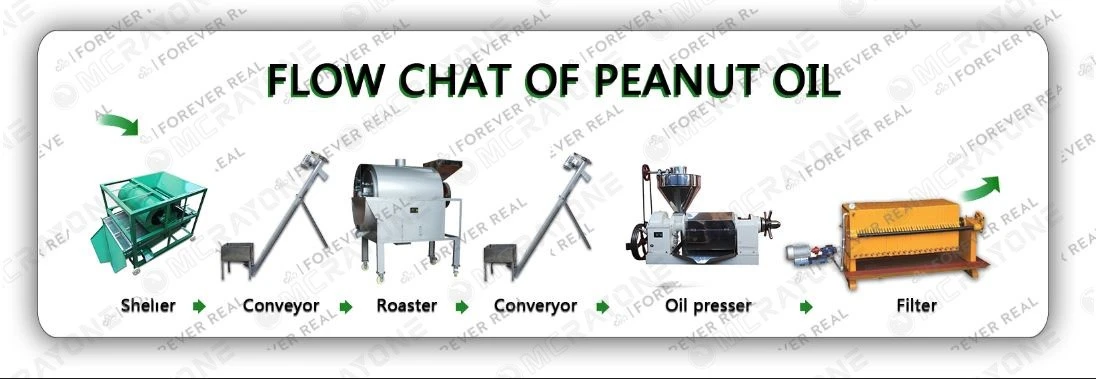
#Hot pressing production line
How do you choose the right process for your project? Three guidelines can help. First, market positioning: if you target high-end health oils or organic channels, cold pressing should be your priority; if you aim at mass consumption and foodservice, hot pressing fits better. Second, the type of oilseed and cost structure: high-value seeds like walnuts and almonds require cold pressing to preserve their market value; common bulk seeds like peanuts and sunflower benefit from the higher yield of hot pressing for better economics. Third, investment scale: a small-scale start-up can begin with cold pressing, which requires lower equipment outlay; a medium-to-large operation that chooses hot pressing must budget for roasters, conveyors, and auxiliary equipment.

#Cold pressing process and hot pressing process
There is no absolute superiority of cold pressing over hot pressing, or vice versa. The key lies in which process better aligns with your product positioning, target market, and investment plan. Understanding the fundamental differences between the two technologies is the first step toward making an informed decision. Based on that, and by considering your specific oilseed types, capacity needs, and budget constraints, you can identify the optimal process solution for your business path.
No Information


